
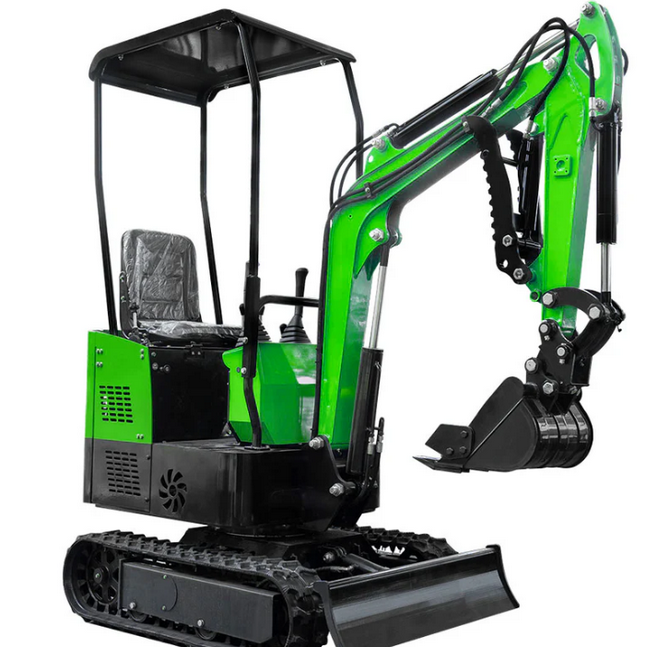


A 1 ton mini excavator is one of the most practical machines for small job sites where space, access, and budget all matter. Whether you call it a 1 ton excavator or a 1 ton digger, this compact equipment category is designed for tasks like trenching, light demolition, backyard grading, landscaping, and utility work in tight areas. Compact excavators are widely valued because they can work where larger machines struggle, especially in residential and narrow-access environments. Manufacturers also position mini excavators for landscaping, utilities, and residential construction, where compact size and maneuverability are major advantages.
Why a 1 ton mini excavator fits small job sites
The biggest advantage of a small machine is access. Compact excavators are commonly used where space is limited, and Caterpillar notes that mini excavators are ideal for landscaping, utilities, residential construction, and similar jobs where room is constrained. Cat’s rental guidance also highlights that smaller units can pass through narrow corridors and backyard gates, making them a strong fit for projects behind homes, inside fenced properties, or on crowded urban lots.
Another reason this size works well is reduced ground impact. Rubber tracks are especially useful on finished properties because they help limit surface damage on lawns, driveways, and sidewalks. That matters for contractors doing residential trenching, drainage, irrigation, and garden work where the site needs to stay neat and repair costs should stay low after the job is done.
For homeowners and small contractors, a 1 ton digger often feels like the sweet spot between hand labor and oversized machinery. It gives you enough digging capability for many light-duty jobs without the transport complexity, jobsite footprint, or learning curve that often comes with heavier equipment. That makes it a smart choice for small businesses, rental buyers, and first-time owners who need compact power without unnecessary size.
Common jobs this machine can handle
A machine in this class is well suited for everyday tasks such as:
-
Backyard trenching
-
Small foundation preparation
-
Garden and landscape reshaping
-
Digging for drainage or utility lines
-
Light site cleanup
-
Small concrete breakup with the right attachment
-
Material grabbing and placement with a thumb or clamp
The MMS collection FAQ says a 1-ton unit is well suited to landscaping, backyard digging, and small-scale residential trenching, and it also notes that these machines can handle digging, land clearing, grading, and demolition of small structures or concrete when properly equipped.
In practical use, this means the machine is best for short, precise work cycles rather than heavy commercial excavation. If your jobs involve tight turns, short digging runs, regular transport, and work around existing structures, a 1 ton excavator can be a very efficient solution. If your work regularly involves deep excavation, large rock handling, or high-volume earthmoving, you will likely need to step up in size.
Key features that matter before you buy
Engine and basic power
Power matters, but it should be matched to the work. On the MMS collection page, the listed 1-ton models prominently feature 13.5 HP gasoline engines, which signals that the lineup is aimed at light-duty excavation and compact jobsite use rather than large-scale production work. That kind of setup is usually most appealing for smaller contractors, farms, landscaping crews, and property owners who want straightforward operation.
Digging depth and working range
Dig depth is one of the first numbers buyers should check. The MMS FAQ states that a 1-ton mini excavator typically offers a digging depth of about 5 to 6 feet, which is suitable for many residential and light commercial jobs. That range is often enough for garden drainage, shallow utility trenches, edging work, and many common property improvements.
Tracks, balance, and movement
Compact excavators are popular because they are easier to position in tight spaces. Industry guidance also emphasizes the value of rubber tracks and compact dimensions for residential and landscaping work. If your projects involve existing lawns, paved paths, or finished outdoor spaces, track type and machine balance matter just as much as engine output.
Attachments and versatility
Attachments can completely change the value of a small excavator. MMS currently shows compatible accessories including a breaker, bucket attachment, hydraulic thumb clip, multi-piece auger/rake kit, and quick coupler. That matters because the more attachment-ready the machine is, the more jobs it can cover. A thumb or clamp is especially useful when lifting branches, stones, debris, or broken material, while a breaker adds light demolition capability. Bobcat also highlights clamp systems for grabbing irregular objects and improving material handling efficiency.
What the MMS collection offers right now
At the time of viewing, the MMS collection presents gasoline-powered 1-ton models with 13.5 HP engines, several configured with thumb clip or thumb clamp options. The collection page also promotes free shipping, a 1-year warranty, and lifetime technical support. Pricing on the viewed collection started from $4,399, while the page’s price filter showed a top visible range of $6,499. These details make the range attractive for buyers comparing compact machines on entry cost, included support, and attachment flexibility.
That is important when reviewing a 1 ton mini excavator for sale, because the best choice is not always the lowest sticker price. A machine with better support, useful included features, and compatible attachments can offer stronger long-term value than a cheaper model that limits your job options. For many buyers, thumb-equipped models are especially appealing because they improve handling of loose materials, branches, rubble, and irregular loads.
What to check before buying a 1 ton excavator
Before you choose a 1 ton excavator, focus on the real work you need it to do. A smart buying checklist includes:
-
Digging depth required for your usual jobs
-
Engine type and maintenance preference
-
Machine width for gates and narrow access
-
Track type for turf or finished surfaces
-
Attachment compatibility
-
Warranty and after-sales support
-
Spare parts availability
-
Ease of transport between sites
These factors matter because compact excavators are often chosen for convenience and flexibility. If the machine cannot pass through your access points or cannot run the tools you need, the low purchase price will not help much in day-to-day work. Cat and Deere materials consistently emphasize compact access, residential suitability, and the role of attachments in improving machine versatility.
When comparing any 1 ton excavator for sale, think beyond the brochure. Ask how often you will transport it, whether you need a thumb or breaker, what surfaces you usually work on, and how close you operate to walls, fences, or homes. That practical review often tells you more than raw specifications.
How to evaluate a 1 ton mini excavator for sale
If you are comparing a 1 ton mini excavator for sale, start with job match rather than price. A small landscaping crew may value easy transport, lawn-friendly tracks, and a thumb attachment. A property owner may care more about simplicity, support, and occasional-use reliability. A contractor doing repeated trenching may prioritize dig depth, hydraulic response, and attachment changes.
You should also compare operating comfort and workflow. Even a small machine becomes more productive when controls feel predictable, service points are easy to reach, and attachments can be swapped quickly. Deere highlights the value of blade function for grading and fill work, while Cat emphasizes performance in constrained spaces. In real-world terms, the right machine is the one that reduces labor hours and keeps your jobs moving without constant repositioning or tool limitations.
A 1 ton digger is rarely bought just for raw digging power. It is usually bought for access, precision, and efficiency on lighter work. That is why compact dimensions, attachment range, and ease of use should carry a lot of weight in your decision.
Maintenance and ownership tips
Small excavators are easier to own when maintenance is simple and regular. Before purchase, make sure you understand service intervals, fuel requirements, track inspection needs, and grease points. If you plan to use attachments often, also confirm coupler compatibility and hydraulic support. Good support after the sale matters, especially for first-time buyers who may need help with setup, parts, or troubleshooting.
From a cost perspective, compact equipment becomes valuable when it replaces rented labor, reduces manual digging time, and helps you finish small jobs faster. The right buyer may recover the investment not by using the machine on huge projects, but by completing many modest projects more efficiently over time. This is especially true for landscaping businesses, light construction crews, and property maintenance operations.
Is this size worth it for most buyers?
For the right user, yes. The MMS FAQ directly positions this class as a practical solution for landscaping, backyard digging, and small residential trenching, while broader manufacturer guidance shows why compact excavators remain popular in tight, access-limited work areas. If your typical project involves homes, gardens, fences, sidewalks, short trenches, or light demolition, this category can deliver very good value.
The main thing to remember is that a small excavator is not meant to do every job. It is meant to do specific jobs efficiently. If you buy within that mindset, a compact unit can become one of the most useful machines in your equipment lineup.
FAQ
Is a 1 ton mini excavator enough for residential work?
Yes, in many cases it is. A 1 ton mini excavator is well suited to backyard digging, light trenching, landscaping, and similar residential projects. The MMS FAQ specifically points to small-scale residential trenching and backyard work as strong use cases.
How deep can a 1 ton excavator dig?
According to the MMS collection FAQ, a 1 ton excavator typically digs about 5 to 6 feet deep. That is enough for many drainage, irrigation, and light utility projects around homes and small properties.
Who should buy a 1 ton digger?
A 1 ton digger is a good fit for landscapers, small contractors, property owners, farmers, and maintenance teams that need compact equipment for light-duty jobs in narrow or finished spaces. It is especially useful where a larger machine would be hard to transport or operate safely.
What should I look for in a 1 ton mini excavator for sale?
Focus on dig depth, machine width, engine setup, attachment options, support, and whether the unit includes features like a thumb or quick coupler. On the MMS collection, several models include thumb-equipped configurations and there are compatible attachments such as breakers, buckets, and couplers.
Is a 1 ton excavator for sale a good investment for a small business?
It can be, especially if your work centers on smaller projects where compact access and low site impact matter. A 1 ton excavator for sale makes the most sense when it will be used regularly for trenching, grading, cleanup, and landscape improvement jobs that would otherwise take much more manual labor.
Conclusion
A 1 ton mini excavator is a smart choice for buyers who need compact performance, simple transport, and strong usefulness across smaller projects. It offers real advantages in narrow-access areas, residential sites, landscaping jobs, and light trenching work. The MMS collection currently shows gasoline-powered models with 13.5 HP engines, thumb-equipped options, attachment compatibility, and buyer-friendly support features such as free shipping, a 1-year warranty, and lifetime technical support. If your work is light to medium duty and space is often limited, a 1 ton excavator can be a practical long-term asset. The best 1 ton excavator for sale is the one that fits your actual job mix, not just your budget.