


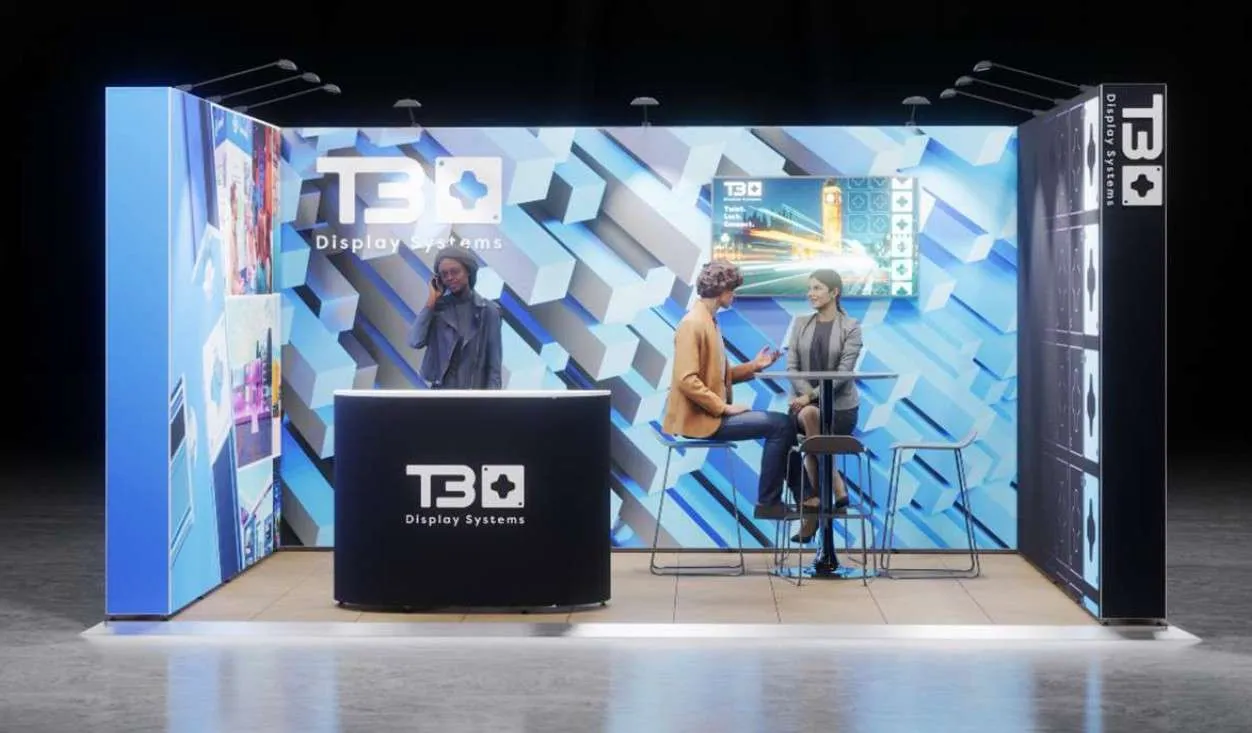
Exhibiting at a trade show involves more than booking floor space and preparing graphics. The stand must fit the venue, represent the brand clearly, support visitor interaction and be installed within a limited schedule. Managing all of these tasks internally can place pressure on marketing and operations teams. Professional Exhibition Stand Hire UK services can simplify the process by combining design, structure, graphics, transport and installation. Understanding what a complete service includes helps exhibitors prepare a clear brief, control costs and reduce last-minute problems.
Start with a Clear Project Brief
The process usually begins with a consultation. The stand provider needs to understand the event, floor space, campaign goals and expected visitor activity. A useful brief should explain whether the stand will support product demonstrations, meetings, lead generation, hospitality or general brand awareness. It should also include practical needs such as counters, storage, seating, lighting, screens and power access. Sharing venue documents, brand guidelines and artwork deadlines early helps the design team plan accurately and reduces unnecessary revisions.
Plan the Layout Around Visitors
A successful stand should look professional while remaining easy to use. Visitors need clear entry points, open pathways and enough space to view products or speak with staff.
The layout should normally consider:
-
Main entrances and visitor flow
-
Product or service displays
-
Meeting and demonstration areas
-
Hidden storage for staff items
-
Screen, lighting and power positions
Three-dimensional visuals may be used to show how the completed stand will appear. These help the exhibitor review the layout, graphics and practical features before production begins.
Use Modular Design for Flexibility
Many hire stands use modular components that can be configured for different floor spaces. Straight walls, curved sections, counters, shelving and graphic panels can be combined around the event brief. Modular construction does not mean every stand must look identical. Colours, lighting, graphics and accessories can create a distinctive environment while the underlying structure remains reusable.
This is useful for businesses attending several events. The same framework may be rearranged for different stand dimensions, helping the brand maintain a consistent appearance without creating a completely new structure each time.
Keep Graphics Clear and Focused
Exhibition graphics need to communicate the main message quickly. Visitors often see many stands in a short period, so crowded layouts and long blocks of text can reduce impact. The most important information should be visible from the aisle. This usually includes the brand name, a concise value proposition and clear product or service imagery.
Graphics may use fabric, rigid panels or tensioned materials, depending on the structure and visual style. Artwork should be supplied in the correct size and resolution to avoid production delays.
Check the Stand Before the Event
An important part of professional Hire and Build Exhibition Services is checking key elements before installation. Depending on the project, the provider may pre-assemble sections to confirm that components, graphics and accessories fit correctly.
Pre-build checks can identify missing items, alignment problems or technical issues before the stand reaches the venue. Screens, lighting and digital content should also be tested in advance. This step is especially valuable for larger stands with several structural and technical elements.
Coordinate Transport and Installation
Exhibition venues usually operate with strict access schedules. Contractors may have limited time to unload, assemble and complete the stand before the hall opens.
A full-service provider can manage transport and installation, reducing the number of suppliers the exhibitor needs to coordinate. The installation team should follow approved drawings and venue safety requirements. The exhibitor should confirm when the stand will be ready for inspection. This allows time to arrange products, test technology and brief staff before visitors arrive.
Plan for Support and Dismantling
Some exhibitions may require technical or maintenance support during the event. The level of assistance depends on the hire package, so it should be confirmed beforehand. After the event, the stand must be dismantled and removed within the venue’s schedule. A managed service can handle breakdown, packing and collection. Reusable components may then be inspected, stored or prepared for another event.
Conclusion
Complete stand hire and build services bring design, production, transport, installation and dismantling into one coordinated process. This allows internal teams to focus more on visitors, presentations and campaign goals.
T3 Systems provides modular exhibition hire solutions that can be adapted to different UK venues and floor plans. A clear brief, early planning and accurate venue information remain essential for creating a professional stand that is practical, well organised and ready on time.