


A sharp metal edge, a small gap or a loose seal can cause trouble over time. Water may creep inside. Dust can settle where it should not. Parts may rub, chip or wear out far too soon. These issues seem minor at first, yet they can affect safety, comfort and product life. Rubber profiles offer a simple way to reduce such risks. When chosen with care, they help cover exposed edges, close gaps and protect equipment in homes, vehicles, factories and outdoor settings.
Why EPDM Handles Tough Conditions
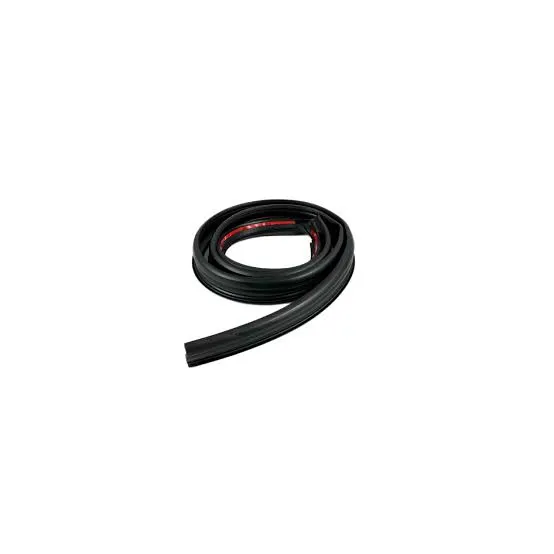
EPDM Extrusions are made from a rubber material known for its ability to cope with weather, sunlight, moisture and changing temperatures. This makes them useful in places where ordinary materials may harden, crack or lose their shape. They can be used around panels, doors, windows, machine covers and other exposed joints. Their flexible form helps them sit against uneven surfaces and form a neat barrier. The exact design still matters, of course. A profile must suit its opening, fit securely and handle the demands of its working environment.
Edges Need More Than A Cover
An exposed edge is not always just a visual problem. Metal sheets can have rough corners, while glass panels may need a protective border. Plastic parts can also suffer from knocks during handling or regular use. A fitted trim helps cover these areas and can reduce direct contact with the hard edge. It may also give the finished product a cleaner look. In vehicles and machines, a well-sized trim can limit rattles caused by loose contact. The result depends on correct fitting, suitable material and the type of load involved.
Finding The Right Supplier
Choosing an edge trims supplier involves more than comparing prices. Buyers need to know whether the required profile is available in the right size, shape, colour and material. Some projects call for a simple push-on trim, while others need a seal with a built-in grip or a special cross-section. Clear product details make this choice easier. It also helps when a supplier can discuss drawings, sample pieces and production needs before an order is placed. That support can reduce errors, especially when parts must fit a custom design.
Small Details Prevent Costly Errors
Even a strong rubber profile can fail when it is fitted badly. A trim that is too narrow may slip off, while one that is too tight can stretch or distort. Before installation, measure the edge carefully and check the thickness of the panel. Clean away oil, grit and loose debris so the profile can sit as intended. Avoid cutting corners during fitting, particularly around bends and joints. If the part will face heat, chemicals or heavy outdoor exposure, confirm that its material suits those conditions first.
Care Keeps Protection Working
Once installed, trims and seals still need occasional checks. Look for loose sections, splits, flattened areas and signs of hardening. Dirt trapped beneath a profile may cause rubbing, so clean it when needed with a product safe for the material. Replace damaged pieces before water or debris reaches the area they protect. In busy workplaces, a simple inspection schedule can help staff catch wear early. Keeping records of recurring faults may also reveal poor fit, rough edges or other issues that need attention.
Conclusion
Reliable protection often starts with details that are easy to miss. The right rubber profile can help guard exposed edges, limit unwanted entry and support a neat finish. Careful measurement, suitable materials and proper fitting all matter. Regular checks then help maintain performance as conditions change. By treating these components as part of the wider design, buyers can reduce avoidable damage, support longer service life and make everyday products and equipment more dependable.