
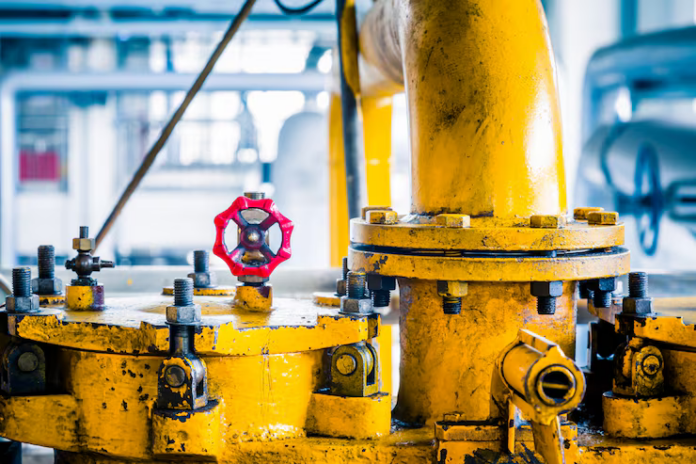


Hydraulic systems are the unsung heroes of modern machinery, powering everything from massive construction equipment to intricate manufacturing assembly lines. At the heart of these powerful systems are hydraulic valves, the critical components that direct, control, and regulate the flow of hydraulic fluid. Understanding these valves is essential for anyone working with hydraulic machinery.
We will explain the fundamental types of Hydraulic Valves and their specific functions. We will explore how directional, pressure, and flow control valves operate and look at their real-world applications. For businesses seeking reliable hydraulic solutions, this information is key to optimizing performance, ensuring safety, and maximizing efficiency.
The Role of Hydraulic Valves in Modern Systems
Before we explore the different types, it’s important to understand the basic role of a hydraulic valve. In any hydraulic system, pressurized fluid (usually oil) is used to generate mechanical force. Hydraulic valves act as the system’s “traffic cops,” managing this fluid to ensure the machinery operates as intended.
Their primary functions include:
- Starting and stopping the flow of fluid.
- Directing the fluid’s path to different parts of the system.
- Controlling the pressure to prevent overloads and ensure consistent force.
- Regulating the flow rate to control the speed of actuators, like cylinders and motors.
By performing these tasks, hydraulic valves enable the precise and powerful movements required in heavy industry, mobile equipment, and manufacturing.
Key Types of Hydraulic Valves
Hydraulic valves are generally categorized into three main types based on their primary function: directional control, pressure control, and flow control.
Directional Control Valves
Directional control valves are responsible for directing the hydraulic fluid to the desired location within the system. They determine the path the fluid takes, allowing it to extend or retract a cylinder, or turn a hydraulic motor in one direction or another. These valves are defined by the number of “ports” (entry/exit points) and “positions” (different flow paths) they have.
Common configurations include:
- Spool Valves: The most common type, using a sliding spool to open and close different pathways.
- Poppet Valves: Use a ball or cone-shaped poppet that lifts off a seat to allow flow, offering excellent sealing against leaks.
- Rotary Valves: Feature a rotating core that aligns channels to direct fluid flow.
Directional control valves are fundamental for operating any hydraulic actuator.
Pressure Control Valves
Pressure is the force behind any hydraulic system, but too much of it can cause catastrophic failure. Pressure control valves are safety and regulation devices that manage the system’s pressure levels.
Their main functions are:
- Relief Valves: Act as a safety fuse by opening and diverting fluid back to the tank when pressure exceeds a preset limit. This protects components from damage due to pressure spikes.
- Pressure Reducing Valves: Maintain a lower, constant pressure in a specific part of a circuit, regardless of higher pressure in the main system.
- Sequence Valves: Direct flow to a secondary circuit only after the primary circuit has reached a specific pressure. This is useful for operations that need to happen in a specific order.
- Counterbalance Valves: Prevent a load from dropping in an uncontrolled manner by maintaining back pressure in the line.
These valves are crucial for the safety and stability of hydraulic machinery.
Flow Control Valves
The speed of a hydraulic cylinder or motor is determined by the rate of fluid flow. Flow control valves, also known as throttle valves, regulate this rate. By adjusting the size of an orifice through which the fluid passes, these valves can slow down or speed up the movement of an actuator.
Types of flow control valves include:
- Fixed Orifice Valves: Provide a constant, non-adjustable flow rate.
- Adjustable Orifice Valves (Throttle Valves): Allow operators to manually set the flow rate by turning a knob or screw.
- Pressure-Compensated Valves: Automatically adjust to maintain a constant flow rate even if the system pressure fluctuates.
Flow control is essential for applications requiring precise speed management, such as the smooth operation of a crane or the consistent speed of a conveyor belt.
Your Partner in Hydraulic Solutions
Navigating the world of hydraulic valves can be complex, but finding the right components is critical for your operations. At Techknow Engineering Enterprise, we specialize in providing high-quality hydraulic solutions tailored to your specific needs.
Our extensive product range covers all essential valve categories, ensuring you have access to the best components for your system. We offer:
- Directional Control Valves for precise actuator management.
- Pressure Control Valves to ensure system safety and stability.
- Flow Control & Throttle Valves for accurate speed regulation.
- Check Valves to ensure one-way fluid flow.
- Logic and Cartridge Valves for creating compact and efficient hydraulic circuits.
- Mobile Control Valves designed for the rigors of on-the-go equipment.
- A full inventory of Valve Accessories & Seal Kits to support maintenance and repairs.
The team at Techknow Engineering Enterprise is committed to delivering not just products, but reliable solutions that enhance the performance and longevity of your machinery.
Building Efficient Systems Together
Hydraulic valves are the foundation of any high-performing hydraulic system. By selecting the right combination of directional, pressure, and flow control valves, you can build machinery that is powerful, precise, and safe. Whether you are designing a new system or maintaining an existing one, a deep understanding of these components is your key to success.
If you need expert guidance or access to a comprehensive range of hydraulic valves, Techknow Engineering Enterprise is here to help. Contact our team today to discuss your requirements and discover how our products can optimize your hydraulic systems.