
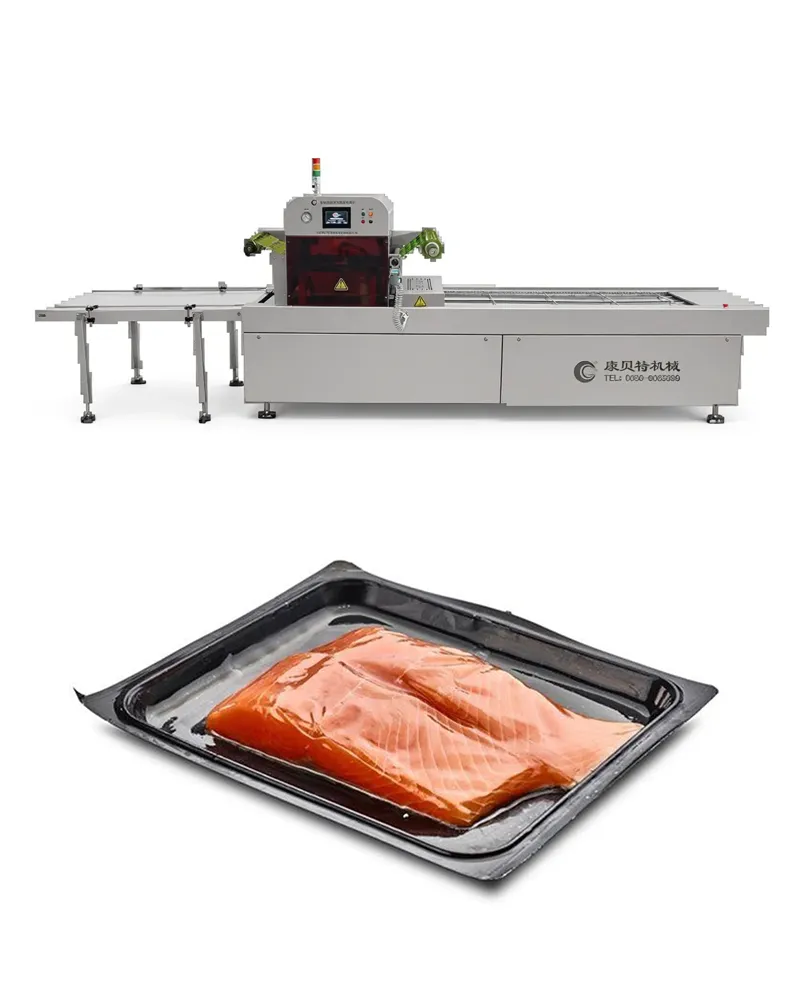


The food processing industry relies heavily on efficient packaging solutions to maintain product quality, ensure food safety, and meet consumer expectations. As production volumes increase and packaging requirements become more complex, selecting the right equipment has become a critical business decision.
Modern food manufacturers need packaging systems that not only protect products but also improve operational efficiency and support long-term growth. Among the various technologies available today, the Thermoforming packaging machine has become a preferred solution for businesses seeking high-performance packaging automation. When combined with a vacuum machine for food packaging, manufacturers can achieve enhanced product preservation and streamlined production processes.
Why Packaging Equipment Selection Matters
Packaging is more than simply enclosing a product. It plays an essential role in protecting food from contamination, preserving freshness, extending shelf life, and enhancing product presentation.
The wrong packaging equipment can lead to production inefficiencies, increased material waste, inconsistent package quality, and higher operating costs. On the other hand, selecting the appropriate system can improve productivity, reduce downtime, and support business expansion.
Before investing in packaging machinery, manufacturers should carefully evaluate their production needs, product types, and future growth plans.
Understanding Thermoforming Packaging Technology
Thermoforming technology has become widely used throughout the food industry because of its ability to automate multiple packaging processes within a single system.
A thermoforming packaging machine forms packages directly from rollstock film by heating and shaping the material into customized cavities. Products are then placed into the formed packages before sealing takes place.
Depending on production requirements, thermoforming systems can integrate additional technologies such as vacuum packaging and modified atmosphere packaging (MAP). This flexibility allows manufacturers to create packaging solutions tailored to specific products and shelf-life requirements.
The technology is commonly used for packaging:
- Fresh meat and poultry
- Seafood products
- Cheese and dairy items
- Ready-to-eat meals
- Frozen foods
- Processed food products
Its versatility makes it suitable for both small and large-scale production environments.
The Importance of Vacuum Packaging
One of the most effective methods for preserving food quality is vacuum packaging.
A vacuum machine for food packaging removes air from the package before sealing it. Reducing oxygen exposure helps slow oxidation and limits the growth of many aerobic spoilage microorganisms.
As a result, food products can maintain their freshness, appearance, and quality for longer periods compared to conventional packaging methods.
Vacuum packaging is particularly beneficial for products that require extended shelf life, including meat, seafood, cheese, and prepared foods.
In addition to preserving product quality, vacuum packaging can help reduce food waste and improve inventory management throughout the supply chain.
Key Factors to Consider When Choosing Packaging Equipment
Production Capacity
One of the first considerations should be production volume.
Manufacturers with high output requirements need equipment capable of maintaining consistent performance during continuous operation. Automated thermoforming systems are often ideal for large-scale production because they can process substantial quantities of products with minimal manual intervention.
Smaller businesses may choose systems that offer scalability, allowing production capacity to increase as demand grows.
Packaging Flexibility
Food manufacturers frequently package multiple products that require different packaging formats.
Choosing equipment with flexible configuration options allows businesses to adapt to changing product lines without significant additional investment.
Thermoforming systems offer considerable flexibility in package size, shape, and material selection, making them suitable for a wide range of applications.
Product Protection Requirements
Different food products require varying levels of protection.
Fresh meat, seafood, and dairy products often benefit from vacuum packaging or MAP technology to maintain freshness and extend shelf life. Understanding product preservation requirements helps manufacturers select equipment with the appropriate features.
Ease of Maintenance
Packaging equipment should be easy to clean, maintain, and operate.
Food processing environments require strict hygiene standards, making equipment design an important consideration. Machines with accessible components and user-friendly controls can help reduce maintenance time and improve operational efficiency.
Benefits of Integrated Packaging Solutions
Many manufacturers are moving toward integrated packaging systems that combine multiple processes into a single production line.
When thermoforming and vacuum packaging technologies work together, businesses can simplify production workflows while maintaining consistent packaging quality.
Integrated systems often provide benefits such as:
- Reduced labor requirements
- Improved production efficiency
- Consistent package quality
- Better product protection
- Lower operational costs
- Enhanced production flexibility
These advantages can contribute to stronger profitability and improved competitiveness in the marketplace.
Looking Ahead
Consumer expectations for food quality, freshness, and convenience continue to evolve. At the same time, manufacturers face increasing pressure to improve efficiency and reduce waste.
Advanced packaging technologies offer practical solutions to these challenges. Businesses that invest in modern equipment are better positioned to adapt to changing market demands and maintain long-term success.
Conclusion
Selecting the right packaging equipment is a strategic decision that affects product quality, operational performance, and overall business growth. Manufacturers must carefully evaluate their production requirements, packaging goals, and future expansion plans before investing.
By combining thermoforming technology with vacuum packaging capabilities, food processors can improve efficiency, extend product shelf life, and deliver consistently high-quality products to the market. As the industry continues to evolve, advanced packaging solutions will remain essential for companies seeking sustainable growth and competitive advantage.