

In the modern world of logistics, the unboxing experience has become as important as the product inside. For years, plastic foam and bubble wrap have dominated the shipping industry, but a quiet, sustainable revolution is unfolding right now on packaging floors across the globe. At the center of this change is an unassuming yet highly engineered material known as honeycomb paper wrap. This isn’t just another roll of kraft paper; it is a structural marvel that combines the ancient wisdom of hexagonal architecture with the modern demand for zero-waste e-commerce. As a website editor, I have analyzed countless packaging solutions, and I can confidently state that the shift toward honeycomb paper wrap represents one of the most significant improvements in protective packaging in the last decade.
The Structural Genius of Honeycomb Design
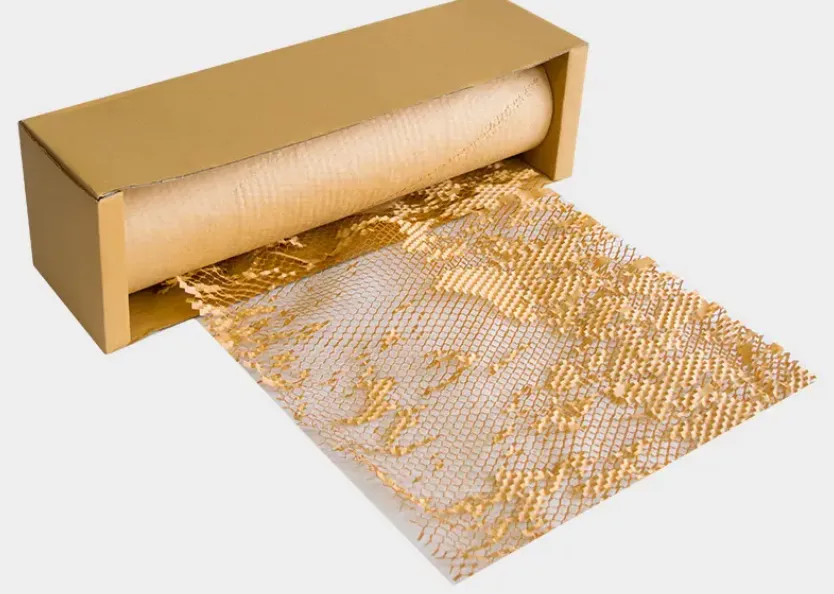
To understand why this material is superior, we must look at its geometry. Traditional paper is flat and weak under stress. However, when kraft paper is converted into a three-dimensional hexagonal matrix, it becomes incredibly strong and resistant to impact. This specific structure is what defines honeycomb paper wrap. The hexagonal cells create air pockets that act as millions of tiny shock absorbers. When you stretch a roll of honeycomb paper wrap, the flat paper expands into a flexible, elastic net that conforms perfectly to the shape of the item it is protecting. Unlike rigid plastic corners or loose foam peanuts, this material wraps tightly around odd-sized objects—from deer antlers to wine bottles—providing a custom fit that prevents shifting during transit. It is this unique physical property that allows honeycomb paper wrap to replace 60% to 80% of the plastic material traditionally used in a single shipment.
Eco-Efficiency: Beyond the Green Buzzwords
Many companies claim to be “green,” but honeycomb paper wrap actually delivers on that promise without sacrificing performance. The raw material is simple: recycled kraft paper. It is 100% compostable, biodegradable, and recyclable in standard curbside recycling streams. This is a critical advantage over plastic foam, which takes centuries to degrade and often ends up in oceans. When a business switches to honeycomb paper wrap, they aren’t just reducing their carbon footprint; they are eliminating microplastics from their supply chain entirely. As noted by major suppliers, this material helps brands across North America achieve aggressive environmental goals because it offers a practical “zero plastic” solution. Furthermore, each roll of honeycomb paper wrap often comes with batch traceability, ensuring that quality control is maintained from the factory floor to the customer’s doorstep.
Enhancing the Unboxing Experience
One of the most overlooked aspects of packaging is the customer’s emotional reaction when opening a box. Plastic bubble wrap is often associated with frustration—it is noisy, difficult to pop, and immediately thrown into the trash. In contrast, honeycomb paper wrap offers a “premium” tactile experience. The act of unfolding the paper reveals a beautiful, textured honeycomb pattern that feels soft and luxurious. It doesn’t scratch surfaces like some rough plastics can, and it is completely silent. Because honeycomb paper wrap can be torn by hand without scissors or tape, the customer can easily remove it and recycle it immediately. This “perfect unboxing experience” enhances brand impression, making the customer feel that the company cares about detail and the planet.
The Dispenser System: Redefining Workflow Efficiency
For warehouse managers, the primary concern is speed. Is honeycomb paper wrap faster than a plastic air pillow machine? The evidence suggests yes. The Box Honeycomb Paper Dispenser system is a revolutionary tool designed for this specific material. It requires no electricity, no maintenance, and almost no assembly. The dispenser sits on a desktop, allowing workers to simply pull, wrap, and tear. Because honeycomb paper wrap features a self-adhesive edge, workers do not need to reach for a separate tape dispenser. This streamlined process saves at least 30% of packaging time compared to traditional methods. For small packing stations, home offices, or large fulfillment centers, integrating honeycomb paper wrap into the workflow reduces labor costs and repetitive strain injuries associated with heavy plastic rolls.
Specialized Applications: From Wine to E-commerce
The versatility of honeycomb paper wrap is truly remarkable. We see specific applications emerging that highlight its superiority. For instance, honeycomb paper sleeves have become the gold standard for shipping red wine bottles and fragile glass products. These sleeves combine the hexagonal protective structure with a convenient sleeve design, keeping bottles intact while looking decorative. Similarly, honeycomb padded mailers are replacing traditional bubble envelopes. From the outside, they look like standard mailers, but inside, the liner is made of this protective paper. These mailers are perfect for cosmetics, books, electronics, and art prints. They offer water resistance and lightweight protection, ensuring that honeycomb paper wrap is not just for boxes but for the entire shipping ecosystem.
Customization and Branding Opportunities
In a competitive market, differentiation is key. honeycomb paper wrap offers customization options that plastic cannot match. Suppliers can print logos directly onto the dispenser boxes or the paper itself. Imagine a customer receiving a package wrapped in honeycomb paper wrap printed with a subtle brand pattern or a sustainability message. This turns the protective layer into a marketing tool. Furthermore, the material can be ordered in various sizes to fit specific products, reducing waste. Because honeycomb paper wrap is factory-direct supplied with large stock availability, businesses can scale their sustainable packaging without worrying about supply chain disruptions.
A Call to Action for Modern Shippers
The data is clear: the era of plastic foam filling is ending. With legislative pressures mounting against single-use plastics and consumer preference shifting toward zero-waste options, honeycomb paper wrap stands out as the most viable, cost-effective alternative. It is not a compromise; it is an upgrade. It offers higher efficiency, better structural protection, and a superior unboxing experience. Whether you are shipping heavy machinery parts or delicate glassware, honeycomb paper wrap provides the cushioning required to resist transportation impacts while ensuring your brand is remembered for its responsibility.
Conclusion
We are witnessing a fundamental shift in how goods move through the world. The future of packaging is paper, but not just any paper—it is engineered paper. Honeycomb paper wrap represents the pinnacle of this engineering, turning a renewable resource into a high-performance protective tool. By adopting honeycomb paper wrap, businesses are not only saving money on tape and labor but are also investing in a cleaner planet. It is a simple solution to a complex problem, proving that sometimes, the strongest structures are the ones with empty spaces. Make the switch today, and let your packaging reflect a future without plastic.