


In warehouse operations, performance is typically measured by factors like throughput, accuracy, and adaptability. However, there’s one area that often escapes scrutiny: the first 100 feet. This stretch—from the dock door to internal storage or the reverse—is where goods enter or exit the system. It may seem straightforward, but it’s also where many delays originate.
The simplicity of the first 100 feet is part of what makes it easy to overlook. It’s not a zone filled with advanced robotics or dense picking operations. Instead, it’s where product handoffs occur between transportation and warehousing teams. Despite its apparent simplicity, this space often lacks intentional design and structure. Workers may depend on manual handling, outdated carts, or rigid routes, which leads to inefficiencies that can spread throughout the warehouse.
What makes the issue more difficult to pinpoint is that the problems often show up elsewhere. A truck idling too long at the dock, staging areas becoming overcrowded, or a lack of labor during peak hours might seem unrelated. Yet all of these symptoms can stem from a poorly managed transition zone. The unpredictable nature of logistics—weather disruptions, staffing changes, or uneven order volumes—only adds to the strain.
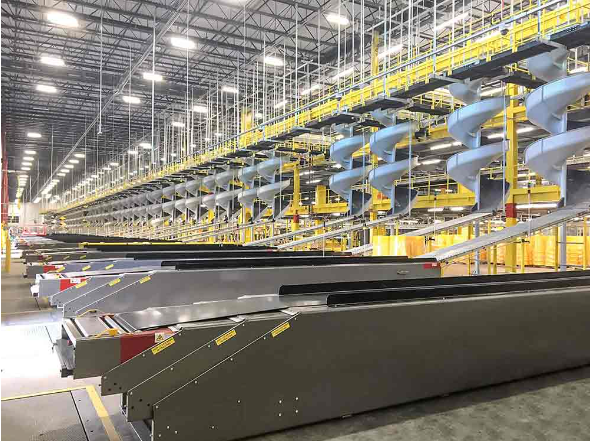
Improving this area starts with a new perspective. The first 100 feet should be designed for flow, flexibility, and safety. It needs to operate efficiently, without sacrificing order. Smart layout choices and well-matched equipment can make this possible. For instance, adding telescopic conveyors in your distribution center conveyor systems improves worker ergonomics, speeds up unloading or loading, and reduces dock congestion. These systems not only support physical health but also help meet time-sensitive delivery schedules.
Coordination is another important aspect. Dock scheduling tools give real-time visibility into incoming and outgoing shipments, enabling the warehouse team to adjust on the fly. When transportation and warehouse operations share data and timelines, handoffs become smoother, and surprises are minimized.
Ultimately, the first 100 feet is not just a transitional space. It sets the tone for the entire workflow. By focusing attention and resources here, businesses can eliminate a hidden bottleneck and unlock greater efficiency across the board. Let it be a launchpad for productivity, not a point of friction.
