

Choosing cleaning equipment shouldn’t be complicated, but with the range of options available today, it’s easy to get overwhelmed. An automatic floor scrubber machine is one of the most effective tools for keeping industrial and commercial floors clean and safe—but picking the right one depends on your facility, your workflow, and your long-term goals.
The most common mistake businesses make is shopping on price or size alone. The right machine is the one that fits how your facility actually operates day to day—and can handle the environment you’re putting it in.
Start With Your Facility Size and Layout
The first question is simple: how much floor are you cleaning, and what does the space look like?
Consider:
- Total square footage that needs regular cleaning
- Whether your layout includes tight aisles, open floor plans, or a mix of both
- Floor surface types—smooth concrete, sealed floors, ramps, transitions between areas
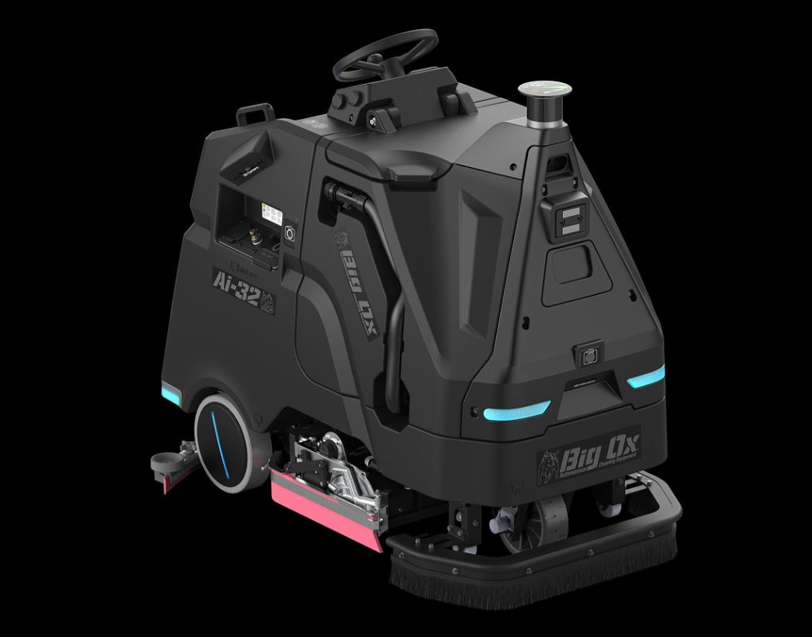
For smaller facilities with straightforward layouts, a standard operator-driven scrubber may be all you need. But for larger buildings like warehouses and distribution centers, the math starts to favor more advanced equipment. That’s where an autonomous floor scrubber comes into play—covering large areas on a consistent schedule without tying up your workforce.
Understand Your Cleaning Requirements
Not every facility deals with the same kind of mess. The type of dirt and debris you’re cleaning up should directly influence the machine you choose.
- Heavy debris environments (wood chips, packaging scraps, metal shavings) benefit from machines that can sweep and scrub in a single pass
- Facilities with frequent liquid spills need strong water recovery systems to avoid leaving wet, hazardous floors behind
- High-traffic areas require machines built to withstand constant, heavy-duty use without frequent breakdowns
Some of today’s industrial floor cleaning robots feature cylindrical brush systems that collect debris and scrub simultaneously, eliminating the need for a separate pre-sweep step. That’s a significant time savings in high-debris environments.
Factor In Your Labor Situation
Your staffing situation is one of the most important—and often overlooked—factors in choosing the right machine.
With a traditional automatic floor scrubber machine:
- Every cleaning session requires a dedicated operator
- Cleaning only happens when staff is available to run the equipment
- Results vary depending on who’s behind the wheel that day
If labor is tight or expensive—which it is at most facilities right now—it’s worth considering a robotic floor scrubber that can operate independently. In larger buildings, autonomous systems handle the cleaning on their own, freeing your team to focus on production, shipping, or maintenance instead of pushing a machine around.
Consider Runtime and Efficiency
Cleaning power matters, but so does how long the machine can run and how much ground it covers per session. A machine that cleans well but needs constant refills or recharging isn’t going to cut it in a 200,000-square-foot warehouse.
Today’s more advanced autonomous floor scrubbers can run extended cycles—some for 13+ hours—and return to a docking station on their own to refill water, dump waste tanks, and recharge. Once serviced, they resume cleaning automatically without any human input.
That kind of continuous operation is especially valuable for facilities running multiple shifts or needing overnight cleaning without dedicated night crews.
Navigation and Ease of Use
A floor scrubber shouldn’t slow your operations down or require a training course to operate. Ease of use matters—both for operator-driven and autonomous machines.
Modern equipment typically includes:
- Intuitive controls that minimize the learning curve for operators
- Ergonomic designs that make the machine easy to maneuver in tight spaces
- Consistent cleaning performance even in demanding, high-traffic conditions
More advanced robotic floor scrubbers add navigation technology—LiDAR, cameras, and mapping systems—that allow the machine to navigate around obstacles and automatically resume its route. This is especially useful in dynamic industrial environments where the floor layout changes throughout the day.
Maintenance and Long-Term Support
Every machine needs service eventually. How easy and expensive that service is should be part of your decision.
When evaluating options, look for:
- Readily available replacement parts—not proprietary components with long lead times
- Reliable dealer support with responsive service teams
- Durable, industrial-grade construction that minimizes downtime and repair frequency
Some systems are also designed for long-term ownership without recurring software or subscription fees. You own the full capability of the machine outright—no surprise licensing costs down the road.
Finding the Right Fit for Your Operation
The best machine isn’t always the most advanced or the cheapest. It’s the one that fits your workflow.
A standard automatic floor scrubber machine works well for facilities that:
- Have dedicated staff available to operate cleaning equipment
- Need flexible, on-demand cleaning across different areas
- Don’t require continuous or overnight cleaning cycles
An autonomous floor scrubber for warehouses and larger facilities makes more sense when:
- You’re managing a large footprint that needs daily or continuous cleaning
- Labor is scarce, expensive, or both
- You want consistent, documented results without constant supervision
- Cleaning needs to happen around active operations, not instead of them
The Bottom Line
Choosing the right floor scrubber isn’t just about specs and features—it’s about finding a solution that matches your space, your team, and how your facility actually runs day to day.
If you’re not sure which direction makes sense, start by taking an honest look at your square footage, your labor situation, and how much time your team currently spends on floor care. The right machine should solve problems, not create new ones.