


A gym floor gets tested in ways that an ordinary room does not. People walk, stretch, lift, drag equipment and sometimes drop weights. Machines sit in one position for long periods, while other parts of the room see constant movement.
Because of that, choosing gym flooring is less about finding something that simply looks good. The better question is whether the floor suits the way the room will actually be used from morning to evening.
Look at the Room in Zones
It helps to stop thinking of the gym as one single space.
A treadmill area has different demands from a free-weight corner. A stretching section may need comfort underfoot, while a squat rack puts pressure on a much smaller section of floor. Even a small home gym can have several different types of use happening within a few metres.
When choosing Gym Flooring, it makes sense to decide where each activity will happen first. Once the room is mapped out, it becomes easier to work out where extra protection may be useful and where a lighter-duty surface could be enough.
This simple step can also stop people from buying the wrong amount of material.
Think About What Sits on the Floor
Gym equipment can be heavy, but weight alone is not the only issue.
A machine that stays in one place can create constant pressure on the surface below it. Free weights create a different problem because they may be moved or dropped repeatedly. Benches and storage racks can also scratch or mark a floor when they are shifted.
That is why the flooring should be chosen with the equipment in mind.
A quiet yoga room and a busy weights area probably should not be treated exactly the same. The more accurately the floor matches the activity, the easier it is to keep the space usable over time.
Rubber Can Work Well in Busy Areas
Some training zones take more punishment than others.
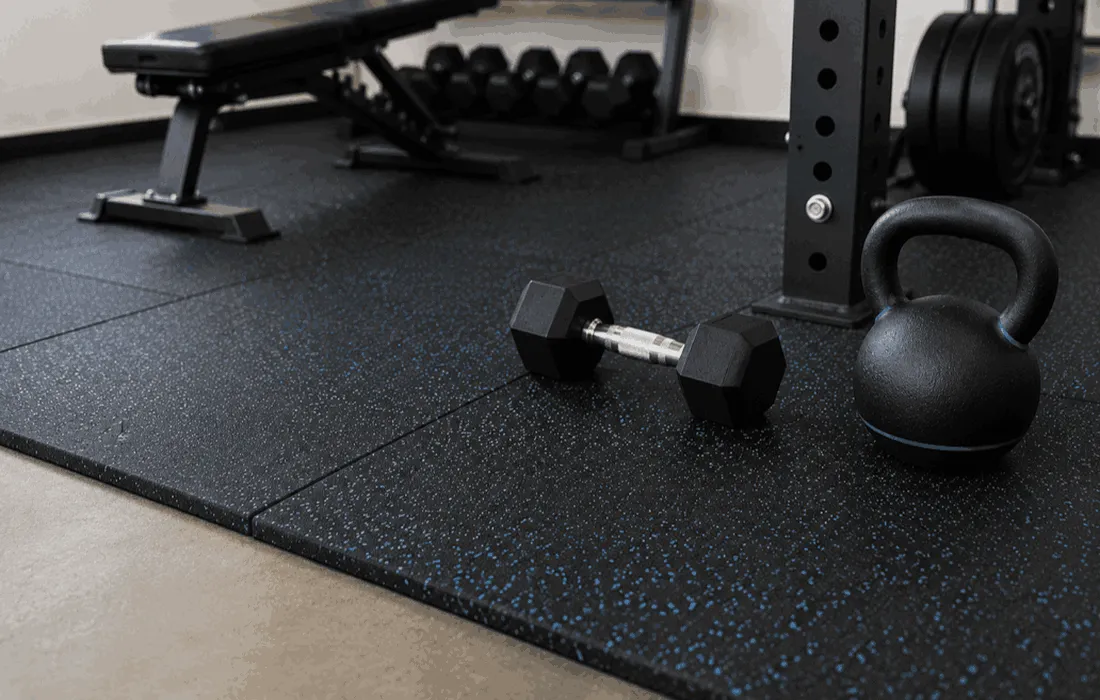
Rubber Gym Flooring can make sense in areas where weights, machines and frequent movement are part of daily use. Rubber is often chosen because it creates a practical surface around equipment and can help provide a more forgiving layer over the base floor.
It can also be useful in modular form.
If one section becomes worn or damaged, dealing with that particular area may be simpler than replacing the whole room. That can be helpful in both commercial gyms and home setups where certain spots are used far more than others.
Check the Floor Underneath First
A new surface will not hide every problem below it.
Before installation, the base floor should be looked at carefully. Loose pieces, obvious cracks, bumps or damaged sections may need attention first. Dirt and dust should also be removed so that the new flooring sits more evenly.
Measuring is worth doing twice.
Columns, cupboards, wall recesses and fixed machines can easily affect how much material is needed. A room that looks square at first glance may contain several small areas that change the final calculation.
Cleaning Should Be Easy to Keep Up With
Gym floors get dirty quickly. Shoes bring in grit, equipment gathers dust, and sweat is simply part of the environment.
A cleaning routine should therefore be practical enough to follow regularly. Sweeping or vacuuming loose dirt often can stop grit from being pressed into the surface. More thorough cleaning can then be done when required, using products and methods suited to the flooring.
It is also worth moving smaller pieces of equipment from time to time.
Dirt can build up underneath benches, racks and machines without anyone noticing. Checking those areas occasionally keeps the room looking better and makes it easier to spot wear early.
Leave Some Freedom to Rearrange
Gym layouts rarely stay fixed forever.
A new machine arrives, a rack moves to another wall, or a stretching corner becomes a strength-training area. Flooring that can adapt to those changes is useful.
That is one reason modular systems appeal to many gym owners. The room can change without turning every adjustment into a major renovation project.
Planning with a little flexibility at the start usually makes future changes much less frustrating.
Conclusion
A good gym floor should suit the way the space is actually used, not just the way it looks when first installed. Equipment weight, movement, cleaning, impact and future changes all deserve attention.
Taking a little time to think through those details can make the room easier to maintain and more comfortable to use. For people comparing locally available gym and rubber flooring options, pvcfloortile.co.za provides further product information.