
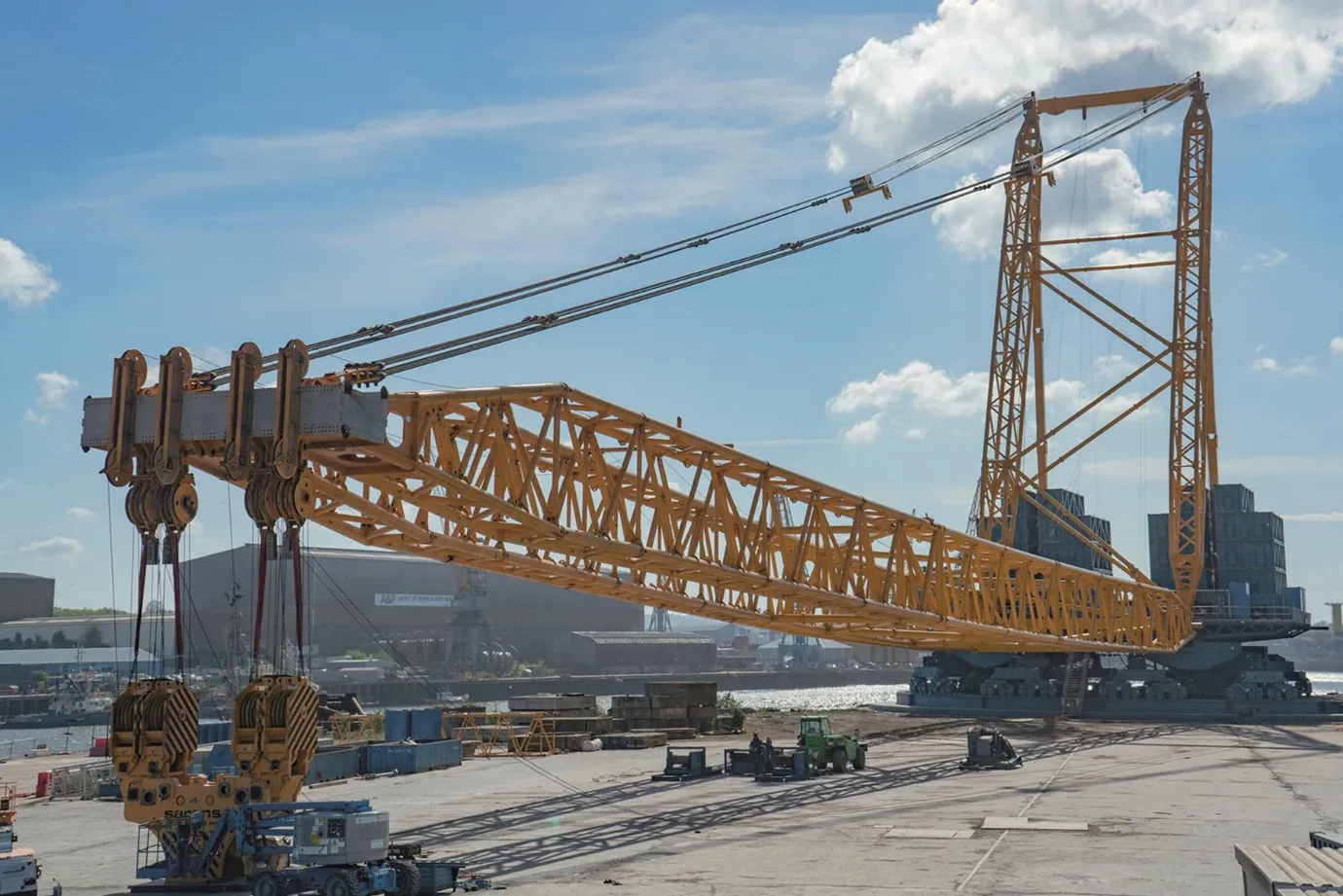


A heavy lift rarely begins when the crane arrives. Much of the important work happens earlier, when the site is assessed and the practical conditions surrounding the load are understood. Two projects involving equipment of a similar weight can require very different lifting arrangements because of access, ground conditions, surrounding structures or the distance between the crane and the final placement point.
This is particularly relevant when arranging Crane Rental in Chennai, where lifting work may take place at construction sites, factories, infrastructure projects or other active locations. Examining the complete working environment before selecting equipment can make the lifting process easier to coordinate.
A Clear Site Survey Provides the Starting Point
The first step is to understand where the crane will enter, stand and operate. A site may appear spacious on a drawing but present very different conditions when vehicles, stored materials, temporary structures and ongoing work are taken into account.
Entrance width and internal movement routes should be reviewed before mobilisation. The team should also identify overhead obstacles and areas where crane movement could interfere with other activities.
These details help determine which equipment can practically reach and operate within the available space.
Ground Conditions Cannot Be Overlooked
A crane needs an appropriate operating area, making ground conditions an important part of planning. Industrial yards, construction sites and infrastructure locations do not always provide identical surfaces.
The planned setup position should therefore be considered before equipment reaches the site. Space requirements may also differ according to the crane configuration and lifting task.
Leaving this assessment until mobilisation can create unnecessary complications if the originally planned location proves unsuitable.
Weight Is Only One Part of Crane Selection
Knowing the weight of a load is essential, but it is not enough by itself. Teams also need information about the load’s dimensions, lifting points, required height and final destination.
Working radius is particularly important. A crane may need to position a component some distance from where the equipment itself can stand. That creates a different requirement from a lift performed immediately beside the crane.
The shape of the load can also affect planning. Long fabricated components and large machinery may need different handling considerations even when their overall weights are comparable.
Different Projects Call for Different Equipment
Crane fleets can include different equipment types because lifting requirements vary significantly between projects. Radha Cranes, for example, lists telescopic, crawler and other mobile lifting equipment among its fleet and services.
A crawler crane may be relevant to one type of project, while telescopic or mobile equipment may better suit another. Selection should be based on the actual lifting conditions rather than choosing equipment simply because it has a high maximum capacity.
This is where information gathered during site and load assessment becomes useful.
Think About What Happens Around the Lift
A crane rarely works in complete isolation. Construction workers, transport vehicles, installation teams and other contractors may all be operating around the same project.
The lifting schedule should therefore fit into the wider site programme. Deliveries need to arrive when the receiving team is prepared, and the area required for crane operations should be available when needed.
For businesses considering Crane Hire in Chennai, providing clear information about these operational conditions can help ensure that equipment requirements are considered alongside the wider project schedule.
Industrial and Shutdown Work Requires Extra Coordination
Industrial sites introduce another planning challenge because lifting may need to take place around existing equipment and operations. Machinery replacement, plant maintenance or equipment relocation can require access to areas that were not originally designed for frequent heavy lifting.
Shutdown projects can be particularly time-sensitive. Several maintenance activities may depend on one another, leaving limited room for unexpected delays.
Preparing loads, access routes and installation areas before the scheduled lift can help keep these activities coordinated.
Plan the Destination, Not Just the Pickup
Teams sometimes concentrate on getting a heavy component off a vehicle without giving equal attention to where it must ultimately be positioned.
The destination should be assessed at the same time as the pickup point. Clearance, placement accuracy and access for installation teams can all influence the lifting approach.
This becomes particularly important when machinery needs to move from transport to its final foundation or installation position.
Conclusion
Effective crane planning starts with understanding the site rather than looking at lifting capacity alone. Access routes, available operating space, ground conditions, working radius and the final position of the load can all influence equipment requirements.
Reviewing these factors before mobilisation gives project teams a clearer picture of the entire lifting operation. It also makes it easier to coordinate cranes with deliveries, installation work and other site activities, creating a more organised approach to heavy lifting.