
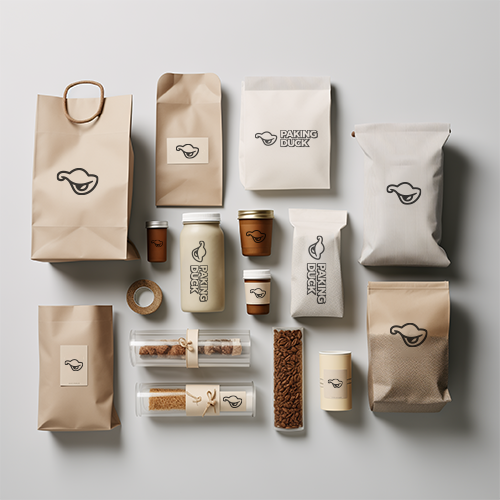


Many product brands focus heavily on the product itself. They refine formulas, improve quality, and spend weeks preparing photos. Then the first orders ship… inside a plain box.
That’s where a lot of ecommerce brands unknowingly slow their own growth.
Customers don’t experience a product only when they use it. They experience it the moment the package reaches their door. The size of the box, the printing, the way it opens, and how secure it feels all shape their opinion before they even touch the item.
Packaging Is Part Of Brand Identity
Customers remember how a brand feels more than technical details. Packaging creates that feeling.
A thoughtful package can:
- make a brand look established
- increase perceived product value
- build trust on the first purchase
Generic packaging does the opposite. Even a high-quality product can look uncertain or low value if presentation is poor. That is why many founders begin investing in custom packaging earlier than they originally planned.
Plain Packaging vs Branded Packaging
Plain packaging only serves a shipping purpose. It protects the item but does little for brand memory or customer emotion. Branded packaging does more. It presents the product professionally, builds trust, and improves how customers judge quality. Over time it encourages repeat orders, better reviews, and organic promotion through sharing and word of mouth.
| Feature | Plain Packaging | Branded / Custom Packaging |
|---|---|---|
| Customer impression | Looks temporary or low effort | Looks professional and trustworthy |
| Product protection | Often basic and loose fit | Designed for product safety |
| Review impact | Neutral or negative | Higher satisfaction and ratings |
| Repeat purchase | Lower | Higher |
| Marketing value | None | Supports brand recognition |
| Social sharing | Rare | Frequently shared by customers |
| Return rate | Usually higher | Often reduced |
The first delivery decides repeat purchases
Customer acquisition costs are higher than before. Because of that, repeat buyers matter more than ever.
If a package arrives messy or damaged, customers hesitate to order again.
If the delivery feels intentional and clean, customers remember the brand.
Packaging directly affects:
- unboxing satisfaction
- product reviews
- return rate
- word of mouth recommendations
Many businesses see rating improvements after upgrading packaging even though the product itself never changed.
Protection Matters As Much As Design
Shipping is rough. Parcels are stacked, dropped, and compressed. Without proper structure, products move inside the box and damage happens.
Proper packaging design:
- secures the product
- reduces empty space
- uses inserts or padding
- selects correct material strength
This alone can reduce refunds and replacement shipments.
Different Products Need Different Packaging
There is no single solution.
Beauty and skincare
Rigid boxes and inserts prevent glass damage and signal premium quality.
Food and supplements
Sealed pouches protect freshness and extend shelf life.
Apparel and accessories
Mailer bags or lightweight cartons keep shipping affordable while maintaining branding.
Subscription boxes
Presentation becomes crucial because customers open them repeatedly.
Packaging Becomes a Marketing Tool
Good packaging quietly promotes the brand.
Customers share appealing packages on social media. Inserts can include care instructions, brand story, and discount codes for future purchases. Every delivery becomes direct communication with the buyer.
Cost vs long-term value
Many startups delay upgrading packaging due to cost concerns. However, plain packaging creates hidden expenses:
- damaged deliveries
- replacement shipments
- weak brand recognition
- fewer returning customers
Better packaging often pays for itself by improving loyalty and reducing issues.
When Should a Brand Upgrade?
Not after scaling. The right time is when consistent orders begin. Early consistency helps customers recognize and trust the brand quickly.
Final Words
In ecommerce, the seller never meets the customer. The package becomes the introduction. It shows care, reliability, and professionalism in seconds.
Brands that treat packaging as part of product development build stronger relationships with buyers. The package protects the product, strengthens the brand image, and encourages customers to come back.
Often the difference between a forgettable store and a memorable one isn’t the product alone. It’s the experience that arrives at the customer’s door.