
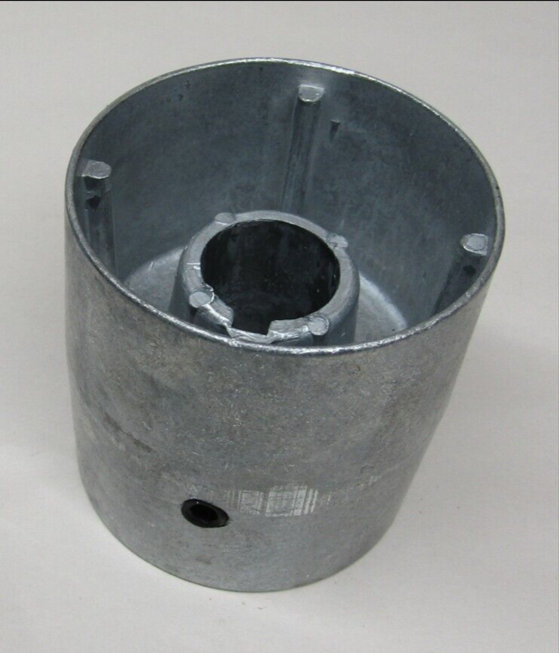


Vintage machinery holds a unique charm, combining robust engineering with timeless design. A crucial part that ensures these machines work smoothly is the pulley flat belt. Though often overlooked, this component plays a central role in maintaining both performance and reliability. Understanding its benefits helps restorers and collectors appreciate why this belt remains vital in antique equipment.
1. Efficient Power Transmission
One of the primary advantages of using flat belts is their ability to transmit power evenly across wide surfaces. Unlike modern drive systems, these belts reduce slippage when paired with a properly sized flat belt drive pulley, creating consistent movement. For vintage engines, where maintaining authenticity matters as much as function, this efficiency ensures machinery operates just as it did decades ago.
2. Gentle on Machinery Components
Vintage machines often feature delicate or irreplaceable parts. Using a flat belt reduces the strain on gears, shafts, and bearings compared to other drive systems. The softer transfer of force minimizes wear and tear, prolonging the lifespan of original components. For collectors and restorers, this feature is invaluable since preserving authenticity is always a priority.
3. Flexibility Across Applications
Flat belts can adapt to a wide range of machinery setups. Whether running agricultural tools, workshop equipment, or antique engines, they provide flexibility in design and placement. This adaptability makes them the go-to choice for those working with machines that have non-standard layouts. The belt can easily handle varying distances between pulleys, making it ideal for older, custom-built systems.
4. Smooth and Quiet Operation
Noise reduction is another key benefit of flat belts. The broad surface contact allows them to run quietly, minimizing vibrations and rattles that other drive methods may cause. This smooth operation doesn’t just protect the machine; it also creates a more enjoyable experience for anyone demonstrating vintage equipment at fairs, exhibitions, or personal workshops.
5. Easy Maintenance and Replacement
Maintenance is a common concern for anyone restoring or operating vintage machinery. Flat belts simplify this process. They are easier to replace than complex chain or gear systems, and most adjustments can be done with simple tools. Additionally, their availability through specialized suppliers ensures restorers have access to the right fit without compromising authenticity.
6. Cost-Effectiveness for Restorers
Compared to other mechanical solutions, flat belts remain a cost-effective choice. They offer durability without requiring extensive modifications or expensive replacements. For those working within a budget, this makes them one of the most practical options available. Investing in the right belt helps keep projects affordable while maintaining top-level performance.
7. Preserving Historical Accuracy
For enthusiasts, restoring a machine isn’t just about making it run; it’s about honoring its history. Flat belts were standard in many original setups, meaning they’re essential for anyone aiming for authenticity. By using them, restorers ensure their machinery not only performs but also looks and feels the way it did in its prime.
Conclusion
A pulley system may seem simple, but its importance in vintage machinery is undeniable. From efficient power transmission to preserving historical accuracy, the benefits of using flat belts are both practical and sentimental. For collectors, restorers, and hobbyists seeking authentic parts and expert support, Flywheel Supply offers a wide range of high-quality components and guidance, making it easier to keep history alive and machines running smoothly.