


In industrial settings, working with flammable gases such as methane, propane, hydrogen, and acetylene is routine. These gases play a vital role in processes ranging from heating to chemical production, making them indispensable but highly volatile. Their widespread use emphasizes the need for strong safety protocols to minimize the risk of fire, explosion, and other dangerous incidents.
This overview explores how industrial facilities are improving safety practices when it comes to handling flammable gases.
Understanding the Behavior of Flammable Gases
A key step in improving workplace safety is understanding how these gases behave under various conditions. Even a small spark or a slight increase in temperature can ignite them. The hazard does not lie solely in the gas being flammable. The concentration of gas in the air also plays a critical role. When gas levels fall within a certain range, they can form an explosive mixture.
To manage this risk, it is important to monitor and understand safety thresholds, such as the Lower Explosive Limit (LEL) and Upper Explosive Limit (UEL). These values indicate the range within which gases can ignite. Keeping concentrations outside of this range is essential for safe operations.
Detection and Monitoring: The First Line of Defense
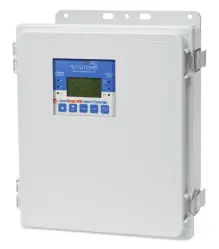
Preventing accidents begins with reliable gas detection and monitoring systems. Installing high-quality ammonia leak detectors is one of the most effective ways to safeguard facilities. These systems often include catalytic bead or infrared sensors, both of which are designed to alert personnel when gas concentrations rise to dangerous levels.
Catalytic bead sensors operate by oxidizing gases on a heated surface. This reaction alters the sensor’s electrical resistance and triggers an alert. Infrared sensors work differently, detecting gas molecules based on how they absorb infrared light. One major advantage of infrared sensors is their reliability even when oxygen levels fluctuate.
Maintenance and Training: Key to Long-Term Safety
Proper maintenance is just as important as the initial installation. Equipment must be inspected regularly to ensure it is functioning as intended. A failure in detection technology can result in missed warnings and devastating consequences.
Alongside equipment upkeep, employee training is essential. Workers must be educated about the properties of flammable gases, how to recognize potential leaks, and how to respond during emergencies. Training should also cover the correct use of personal protective equipment (PPE), evacuation procedures, and the operation of monitoring systems.
Leadership and Accountability
Safety is not just the responsibility of frontline workers. Facility managers play a vital role in creating and maintaining a secure environment. This includes enforcing no-smoking policies, restricting the use of open flames, and ensuring that all electrical equipment is explosion-proof. By establishing clear rules and maintaining a culture of accountability, leaders help prevent dangerous incidents before they occur.
A Proactive Safety Mindset
Implementing preventive measures not only reduces the likelihood of accidents but also limits the severity of consequences if an incident occurs. By investing in proper monitoring systems, ongoing maintenance, and comprehensive training, facilities can better manage the unique risks that come with flammable gases.
Ultimately, a proactive approach to hazard awareness and prevention is key. The goal is not just to react to problems but to stay ahead of them through vigilance, education, and careful planning.
