


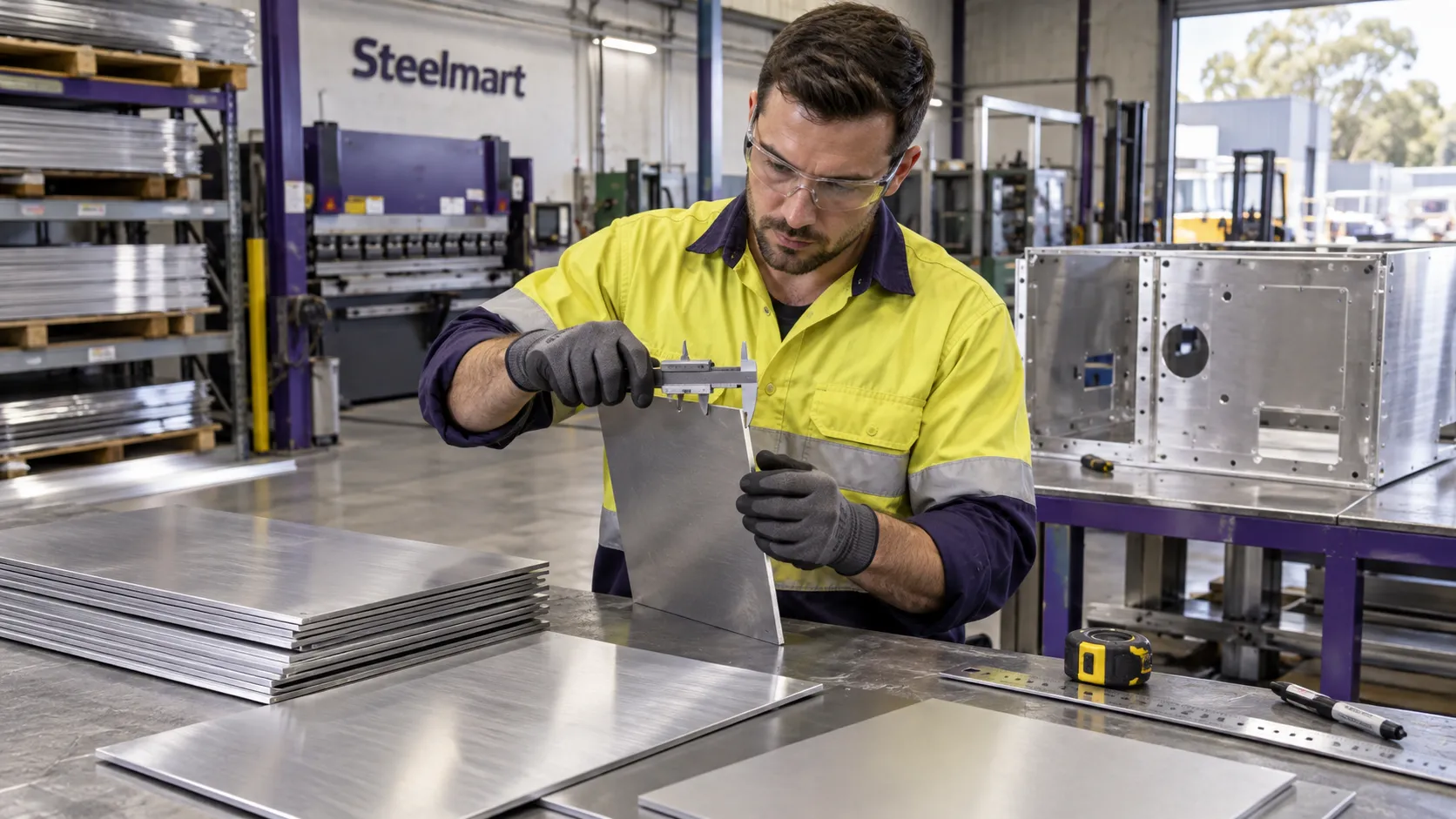
Whether you are working on an architectural, transport, marine or DIY project, selecting the right aluminium sheet can affect the finished product’s weight, durability and appearance. Aluminium is lightweight, easy to handle and resistant to corrosion, making it a practical option for many Australian fabrication and building applications.
What Makes Aluminium Useful for Fabrication?
Aluminium can be cut, drilled, bent and formed for custom work. This flexibility makes it suitable for panels, covers, vehicle components, signage, cladding and decorative features. It also has a clean, modern appearance that works well in both practical and design-focused projects.
Because aluminium is lighter than many steel alternatives, it can be easier to transport, position and install. However, the selected grade, thickness and finish should always match the environment and the job requirements.
Choosing the Right Thickness
Thickness should be selected according to the panel’s purpose. A 3mm aluminium sheet provides a more substantial surface than thinner material and may be suitable for fabricated covers, protective panels, transport components, marine projects and applications where greater rigidity is needed.
Thinner aluminium may work well for lightweight signage, decorative panels, light cladding and general DIY projects. Thickness alone does not determine performance. The span, fixing method, vibration, expected load and forming process should also be considered before ordering.
For structural or safety-critical applications, it is important to follow the relevant design details and obtain professional advice where required.
Understanding Aluminium Grades
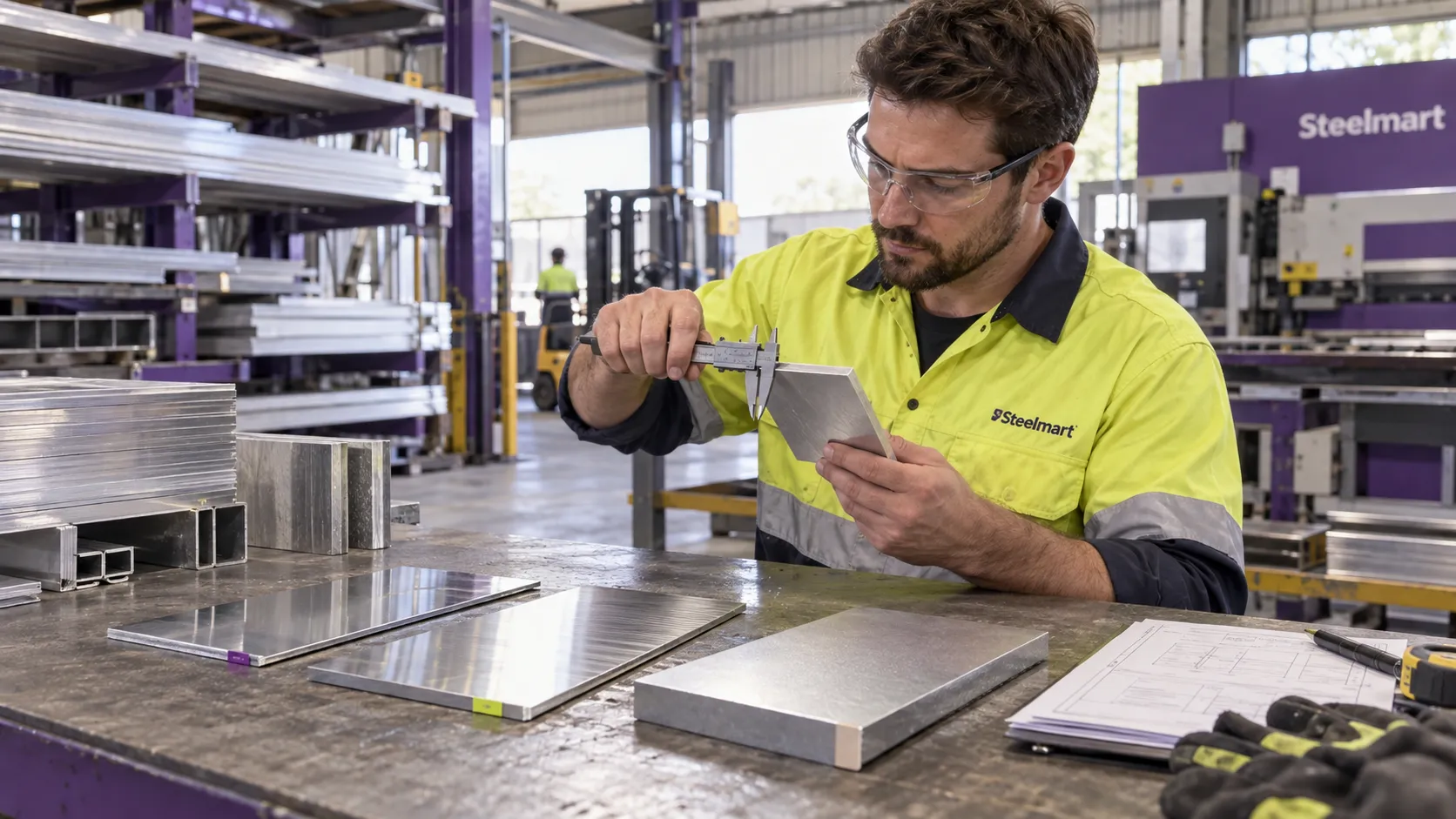
The grade can influence both the appearance and performance of the material. GR5005 is commonly selected for projects where a clean surface finish is important, including decorative and architectural work. GR5052 offers higher strength and corrosion resistance, making it a practical choice for marine, automotive and other demanding applications.
Consider where the sheet will be used before making a decision. Indoor workshop projects may have different requirements from outdoor, coastal or frequently exposed installations.
Common Uses for Aluminium Flat Sheets
Aluminium flat sheets can be used as a finished surface or as a starting point for fabrication. Common applications include:
- Building facades and architectural cladding
- Roofing and external design features
- Vehicle, trailer and transport components
- Marine and coastal fabrication
- Commercial signs and display panels
- Workshop guards, covers and custom parts
- Home improvement and creative DIY projects
The final selection should reflect the required surface appearance, level of exposure and fabrication method.
Fabrication Tips for a Better Finish
Begin with accurate measurements and a clear cutting list. This helps reduce waste around corners, openings and fixing points. Support the sheet properly during cutting and drilling, use suitable tools and remove sharp edges before installation.
If the material needs to be folded or formed, confirm the required bend radius and process before work begins. Store sheets flat, dry and protected from scratching. It is also important to consider contact between aluminium, fasteners and other metals, especially in wet or coastal environments. Suitable coatings, washers or isolation materials may help reduce corrosion risks.
Combine Aluminium with Supporting Sections
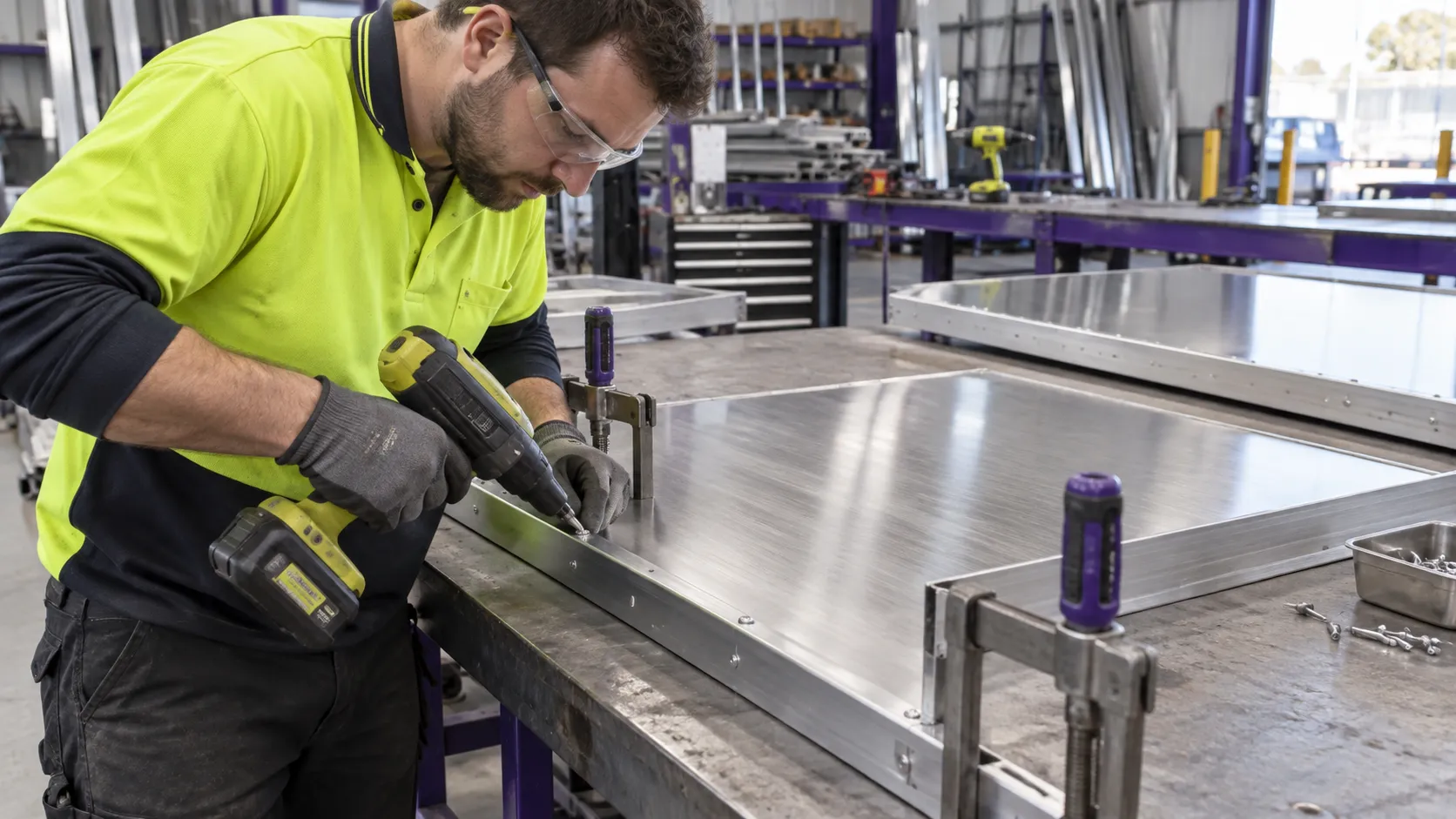
A sheet often performs best when it is installed with a suitable supporting frame. Steel angles can provide practical L-shaped support for brackets, edge reinforcement, fixing points and light framing.
Equal angles are useful for balanced bracing and framing, while unequal angles provide more fixing area on one side. Galvanised or stainless steel options may be considered for outdoor or exposed conditions. The sheet, supporting section and fasteners should be selected as a complete system based on the project’s load, span and environment.
Make the Right Choice
Before ordering, confirm the required grade, thickness, dimensions, finish and intended use. If you are unsure whether a 3mm aluminium sheet or another option is suitable, speak with a knowledgeable supplier.
Review the available aluminium sheet options and contact Steelmart for guidance before purchasing. Choosing the right material at the beginning can improve the finished result, reduce waste and make fabrication more efficient.