


Coastal homes can benefit from excellent solar energy generation, but salt air, humidity, strong winds and heavy rainfall place additional stress on rooftop solar systems. Fine salt particles can settle on solar panels, frames, mounting rails, electrical enclosures and exposed fittings. When combined with moisture, this residue may contribute to corrosion long before any damage is visible from ground level.
Preventing coastal solar damage requires more than occasional panel cleaning. Homeowners need a maintenance approach that considers the condition of the solar panels, mounting system, wiring, seals, roof attachments and the changing coastal environment.
Understand Where Corrosion Starts
Corrosion often develops around joints, fasteners, panel edges and areas where protective coatings have become scratched or worn. Mounting brackets, clamps, rails and electrical enclosures can be particularly vulnerable because they remain exposed to the elements throughout the year.
A solar system can continue generating electricity while corrosion is gradually developing. For this reason, clean-looking solar panels should not be taken as evidence that the entire installation is in good condition. Professional inspections are important because many vulnerable components cannot be safely or accurately assessed from ground level.
Protect Mounting Hardware
Solar panels rely on secure mounting rails, brackets and clamps to remain stable. Corrosion or movement affecting these components can place additional stress on panel frames, electrical cables and roof attachment points.
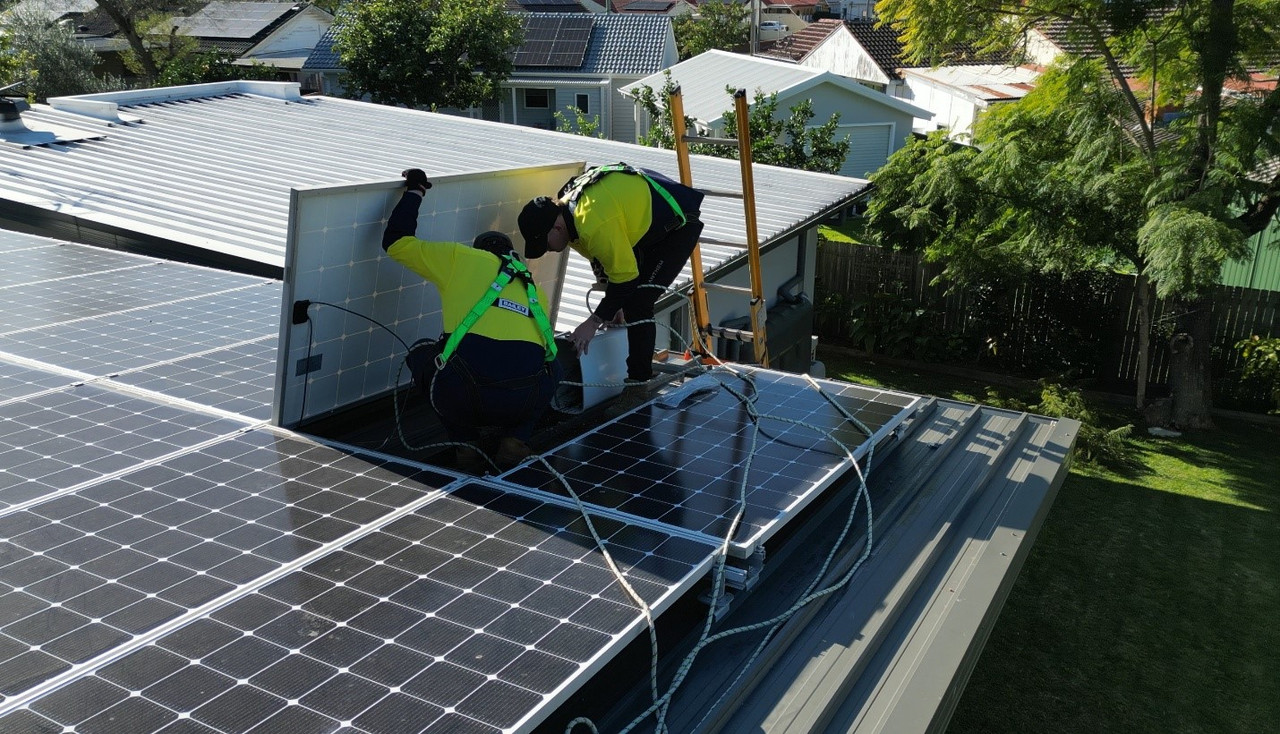
Solar Panel Maintenance in Sunshine Coast should include inspection of fasteners, mounting rails, seals and roof fixings. A technician can check for corrosion, movement, damaged protective coatings, water ingress and signs of storm-related stress.
Identifying these issues early can prevent a relatively minor mounting problem from developing into a more extensive rooftop repair.
Clean Salt Residue Safely
Salt film, dust, bird droppings and organic debris can remain on solar panels even after rainfall. Professional cleaning can remove this surface contamination, but the methods used must be appropriate for solar equipment.
Harsh chemicals, abrasive brushes and high-pressure water can damage panel coatings, seals and nearby electrical components. Homeowners should also avoid climbing onto the roof, as working at height around live electrical equipment presents significant safety risks.
While professional cleaning helps maintain panel condition, it cannot reverse corrosion that has already affected mounting hardware, electrical enclosures or other metal components.
Manage Water and Roof Drainage
Leaves, seed pods and wind-blown debris can accumulate beneath the solar array or around roof drainage points. This material may trap moisture, creating conditions that accelerate corrosion and seal deterioration.
Nearby vegetation should be managed before branches begin shading the solar panels, contact the roof or deposit excessive organic debris. Any work carried out near rooftop solar equipment should be completed carefully by an appropriately qualified professional.
Gutters and accessible drainage areas should also be kept clear so that water does not pool around mounting hardware or electrical components.
Check the System After Storms
Strong coastal winds can loosen mounting hardware, shift debris and damage exposed cables. Heavy rain may also expose weaknesses in seals, electrical connectors and equipment enclosures.
Following severe weather, homeowners should review inverter messages and monitoring data for any unusual changes. A sudden reduction in energy production, visible movement of rooftop components or repeated inverter shutdowns should prompt a professional solar inspection.
Because roofs may be slippery or damaged after a storm, inspections should always be carried out safely from ground level.
Monitor for Electrical Symptoms
Corrosion can contribute to intermittent electrical faults before a complete system failure occurs. Repeated inverter error messages, irregular energy production, shutdowns following rainfall or missing generation data may all indicate problems with electrical connections or equipment enclosures. Providers offering Residential Solar Repair Services in Australia should inspect and test the system to identify the affected component before recommending replacement. Repairs may involve wiring, isolators, connectors, mounting hardware or another individual component.
A repair-first approach helps preserve equipment that remains safe, functional and serviceable.
Use a Risk-Based Maintenance Schedule
Not every coastal property experiences the same level of environmental exposure. Distance from the shoreline, prevailing winds, roof height, surrounding buildings, vegetation, system age and previous corrosion all influence maintenance requirements.
Homes located close to the ocean may benefit from more frequent corrosion inspections than properties further inland. Likewise, older systems or installations with a history of water ingress may require closer monitoring.
Maintenance schedules should be based on the property’s actual level of risk rather than a fixed servicing interval for every home.
Keep a Condition History
Inspection photographs, service reports, cleaning records, repair invoices and inverter fault history provide valuable evidence of whether corrosion or other issues are progressing over time.
Homeowners should also record major storms, roof repairs and significant changes in surrounding vegetation. Maintaining this history gives future technicians important context and helps them identify recurring issues more efficiently.
Conclusion
Coastal homeowners can reduce corrosion and rooftop solar damage by protecting mounting hardware, cleaning solar panels safely, managing debris and responding promptly after severe weather.
Because salt exposure affects far more than the surface of the panels, maintenance should also include electrical enclosures, wiring, seals and roof attachment points. A risk-based approach to professional solar maintenance helps prevent gradual deterioration from developing into costly repairs while supporting safer, more reliable solar performance over the long term.