

When control becomes the silent driver of real progress
Most production problems don’t start with machines. They begin with small gaps in control that quietly grow into delays, errors, and lost output. That’s where a smarter approach steps in. Instead of chasing issues after they appear, this guide shifts focus to building stronger systems from the core. The goal is simple. Create stability, reduce friction, and keep operations moving without constant intervention. Along the way, you’ll uncover how better control leads to better decisions, smoother workflows, and fewer unexpected stops that slow everything down.
At the center of this shift are systems built around industrial automation control panels, designed to connect processes and keep everything aligned in real time. These panels don’t just manage machines. They simplify complex tasks, reduce human error, and bring clarity to operations that often feel scattered. In this guide, key ideas are broken down into clear steps so they are easy to follow and apply. By the end, you’ll understand how to improve efficiency, prevent downtime, and build a setup that works with you, not against you.
What are industrial automation control panels, and how do they work
Industrial automation control panels are simple in idea but powerful in use. They house parts that manage machines and processes. These include switches, relays, drives, and controllers. Each part has a role, and together they keep systems running smoothly. You don’t need great technical skills to understand the basics. Think of it as a central hub that tells machines what to do and when to do it.
Inside these panels, signals move fast and clean. This helps machines react in real time. That means fewer delays and fewer mistakes. It also keeps operations steady, even during long shifts. Many businesses rely on them to avoid manual work and reduce risk.
Key parts often found inside panels:
- Programmable logic controllers for control tasks
- Circuit breakers for safety
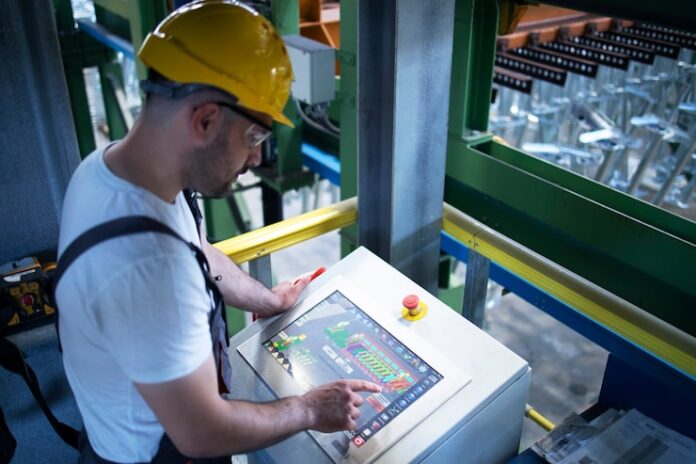
- Human-machine interfaces for easy use
- Power supplies for stable energy flow
These parts work together to keep everything in sync. When set up right, they reduce stress on both machines and workers. That’s why more industries now see them as a must-have, not a bonus.
Why control panels improve efficiency and reduce downtime
Efficiency is not just about speed. It’s about doing things right the first time. Control panels help reduce human error. They automate tasks that once needed constant attention. This means fewer stops and fewer fixes during operation. Over time, that saves both money and effort.
Downtime often comes from small issues that go unnoticed. A loose connection or delayed response can cause big problems. Control panels catch these issues early. They send alerts or shut down systems before damage spreads. That alone can save hours of lost work.
Here’s how they boost performance:
- Faster response to system changes
- Real-time monitoring of machines
- Better fault detection
- Reduced manual intervention
When systems run smoothly, teams can focus on growth instead of fixing issues. That shift makes a real difference. It turns daily work from reactive to proactive. And let’s be honest, no one enjoys constant breakdowns.
How to choose the right control panel for your setup
Choosing the right panel is not about picking the most complex one. It’s about finding what fits your needs. Start by looking at your system size and type. A small setup doesn’t need a large panel. Bigger systems may need more control points and features.
You also need to think about the environment. Some panels must handle heat, dust, or moisture. Others need to be easy to access for quick changes. If you skip this step, you may face issues later.
Things to check before choosing:
- Size and layout of your system
- Type of machines used
- Environmental conditions
- Future expansion plans
It’s smart to think ahead. A panel that works today should also support tomorrow’s growth. Many businesses regret choosing something too basic. So take your time here. The right choice saves trouble later.
How to maintain control panels for long-term performance
Even the best systems need care. Control panels are no different. Regular checks keep them working well and prevent sudden failures. Maintenance does not need to be complex. Simple habits can go a long way.
Start with visual checks. Look for loose wires or signs of wear, and clean dust from inside the panel. Heat buildup can damage parts over time. Keeping things, clean helps avoid that.
Basic maintenance steps include:
- Checking connections regularly
- Cleaning internal components
- Testing safety features
- Updating system software
Ignoring maintenance is like ignoring a small leak. It may seem fine at first, but problems grow fast. A little attention now saves big repairs later. Plus, it keeps your system safe and reliable every day.
What smart businesses do differently with automation panels
Some businesses just install systems and move on. Others use them as a tool for growth. The difference is in how they think. Smart teams use control panels to gather data and improve decisions. They don’t just run machines. They learn from them.
Data from panels can show patterns. Maybe a machine slows down at certain times. Or maybe energy use spikes during specific tasks. These insights help teams adjust and improve. Over time, this leads to better output and lower costs.
Ways smart teams use control panels:
- Track performance trends
- Improve energy efficiency
- Reduce waste in processes
- Plan maintenance before failure
This approach turns a simple system into a powerful tool. It helps businesses stay ahead rather than catch up. And in today’s world, that edge matters more than ever.
Where does better control lead next for your operations
At the end of the day, control panels are not just about machines. They’re about making work easier, safer, and more reliable. When systems run smoothly, everything else falls into place. Teams feel less pressure. Output becomes steady. And problems stop piling up.
We believe that better control leads to better results. That’s why it’s worth taking the time to understand and improve your setup. Small changes today can shape long-term success. If you’re ready to move forward, start by reviewing your current system. Look for gaps, fix weak points, and build from there.
The next step is simple. Take action. Explore smarter setups, improve your control systems, and aim for steady growth. The sooner you start, the sooner you see results.