


Bulk material handling is a crucial aspect of many industries, including construction, agriculture, and food processing. The handling of large quantities of materials like cement, grains, chemicals, and ores requires advanced strategies to maximize efficiency, ensure safety, and reduce environmental impact.
Understanding the specific properties of materials is key to selecting the right equipment and techniques for the job. Moisture content, particle size, abrasiveness, and flow behavior all influence how materials are handled. For example, fine powders require dust control measures, while denser materials need more robust storage systems to ensure their safe handling.
Efficient material handling depends on a variety of machines and systems. Conveyors move materials throughout facilities, reducing the need for manual labor and minimizing contamination risks. Hoppers and silos provide tailored storage, while feeders regulate the flow of materials into processing stages to ensure consistency.
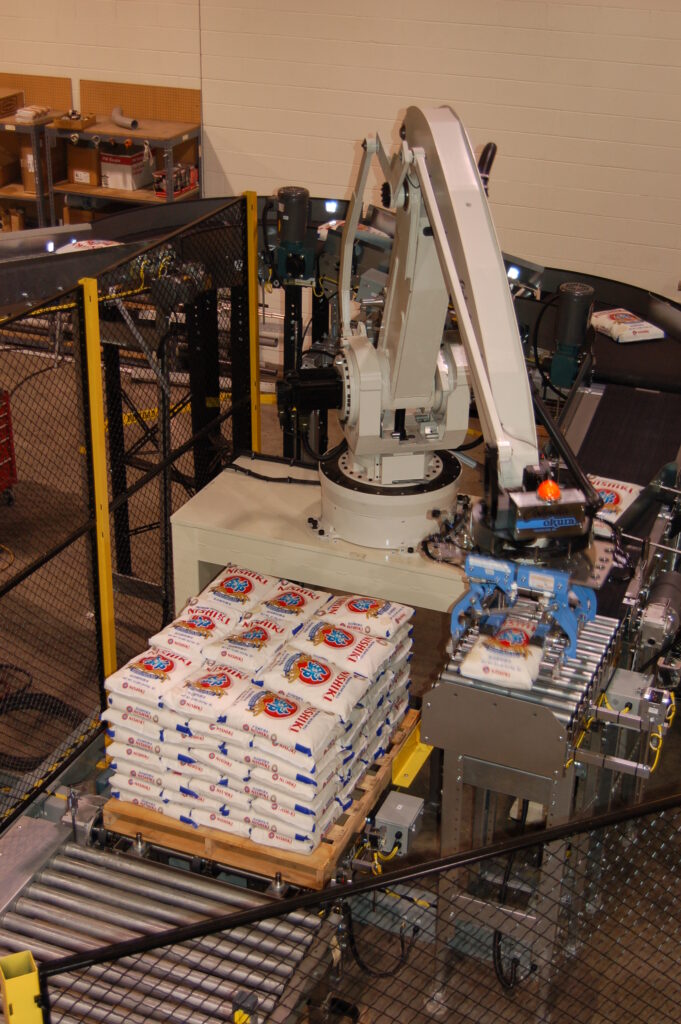
Automation has greatly enhanced material handling by improving precision and reducing human error. Automated systems now control material dosing, weighing, and transport with greater accuracy, speeding up processes and lowering labor costs. Remote-controlled machines such as bag palletizers further improve safety by minimizing worker exposure to hazardous materials.
Technological advances in dust control, such as high-efficiency filters and enclosed conveyors, ensure that fine particles remain contained, protecting both workers and the environment. With real-time monitoring systems that track material flow and equipment performance, predictive maintenance has become easier, reducing costly downtime.
Sustainability is at the forefront of innovation in bulk material handling. New technologies help businesses reduce energy consumption and minimize waste. By adopting these eco-friendly practices, companies can cut costs while also making a positive environmental impact.
To delve deeper into the latest innovations in bulk material handling, refer to the accompanying resource.
